معرفی
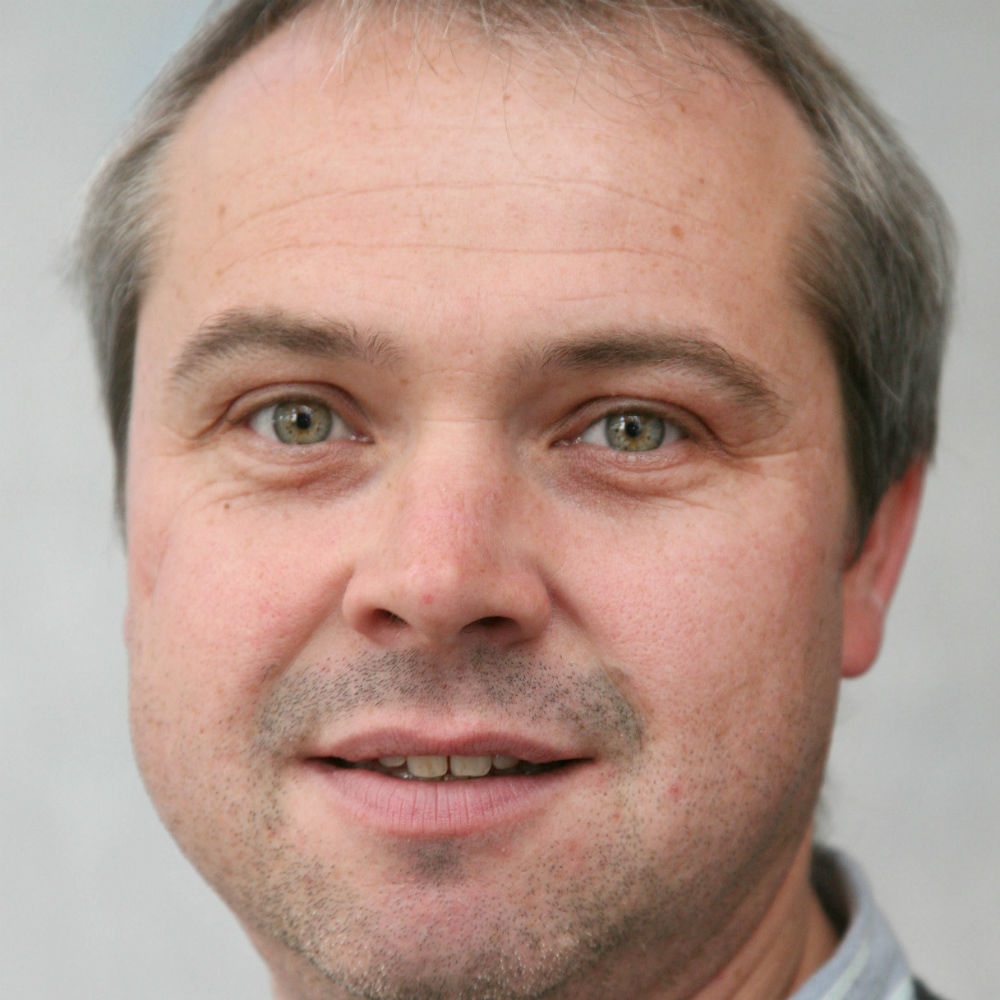
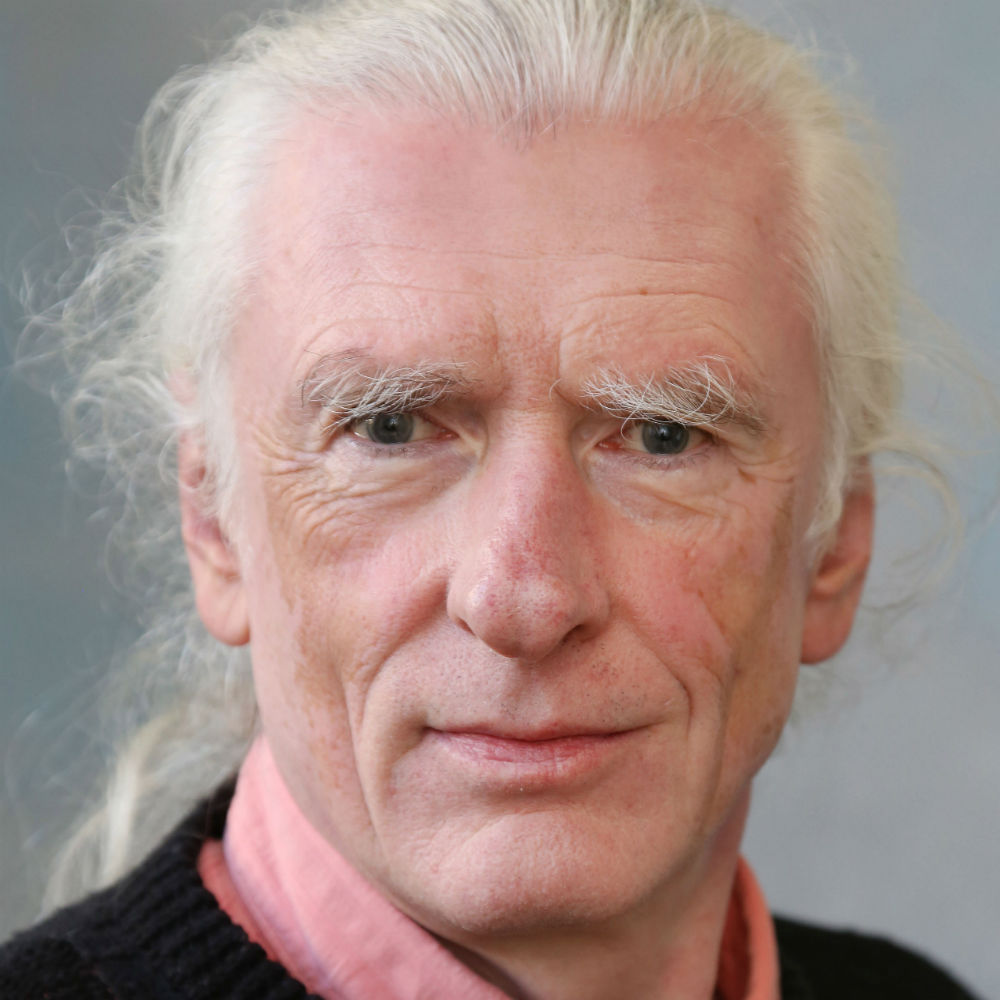
Dimitri Svistunenko is a Senior Lecturer at the School of Life Sciences, University of Essex, where he has been employed since 1994. He serves as Director of the Biomedical EPR Facility, which specializes in Electron Paramagnetic Resonance spectroscopy applications in biological systems. His academic journey began with a Red Diploma in Physics and Engineering from Moscow Institute of Physics and Technology in 1981, followed by a Candidate of Sciences degree in Physics and Maths from the Institute of Chemical Physics in 1984.
His research centers on proteins and enzymes with particular reference to their paramagnetism. He investigates how molecules with odd numbers of electrons function in biological systems, especially in redox reactions. His specific interests include haptoglobin complex with haemoglobin, haem containing globins, ferritins, dye decolourising peroxidases, and bacterial copper enzymes. His work combines experimental EPR spectroscopy with computational approaches to understand electron transfer pathways and radical formation in proteins.
His recent publications reveal a strong focus on iron metabolism, heme proteins, and electron transfer mechanisms across diverse biological systems, from plant signaling to bacterial ferritins. His research group has made significant contributions to understanding how iron is oxidized, stored, and mobilized in various ferritin proteins, as well as the mechanisms of dye-decolorizing peroxidases.
Dr. Svistunenko has received recognition as a Fellow of the Higher Education Academy (2017) and has secured multiple research grants from the Biotechnology and Biological Sciences Research Council and The Royal Society, including funding for EPR instrumentation and studies on bacterioferritins in pathogenic bacteria.
He has supervised doctoral students including Marina Rozman (awarded 2022) and Jacob Alexander Samuel Pullin (awarded 2020), who completed research on dye-decolorising peroxidases and bacterioferritin mechanisms respectively. His teaching portfolio includes Inorganic and Physical Chemistry, Transferable Skills in Life Sciences, and Advanced Research Skills.