معرفی
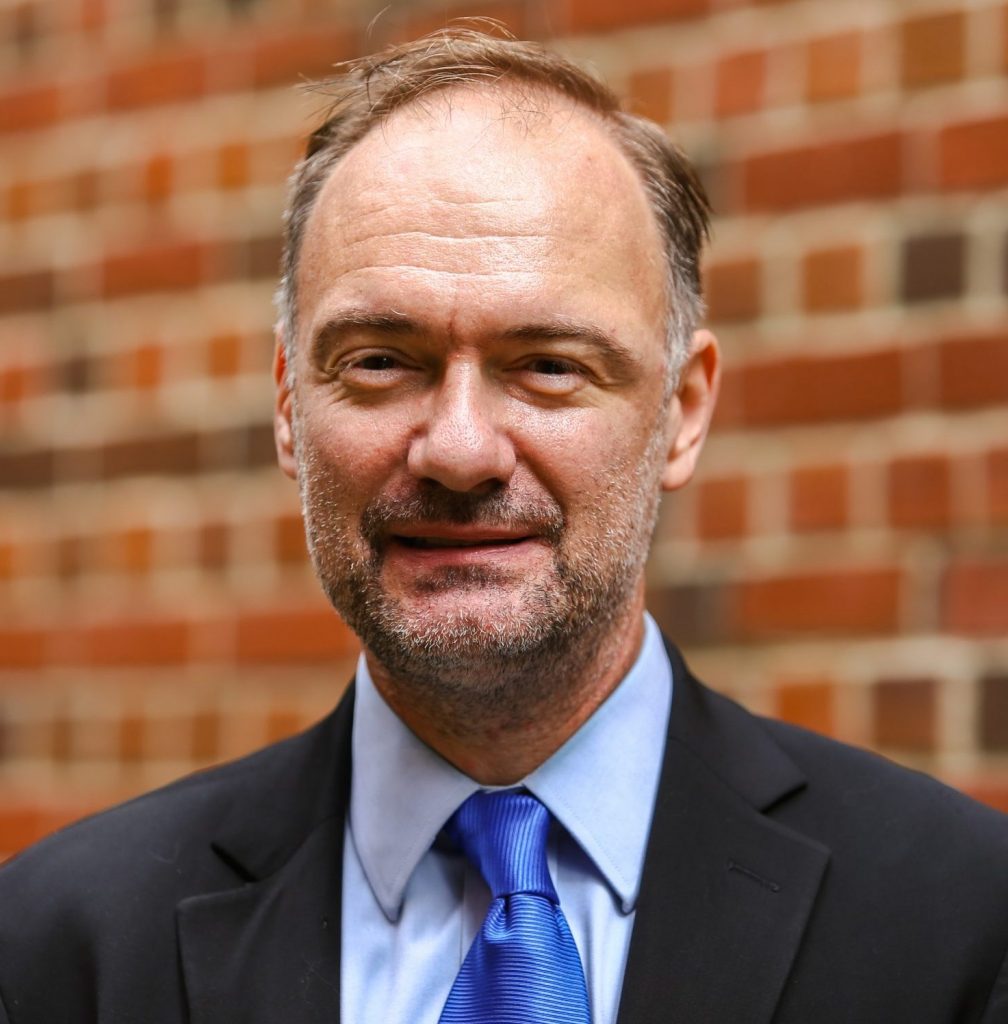
Derek Bambauer serves as the Irving Cypen Professor of Law at the University of Florida Levin College of Law, teaching Internet law, cybersecurity, and intellectual property courses as an active National Science Foundation-funded investigator.
His academic credentials include:
- J.D. from Harvard Law School
- A.B. from Harvard College
Professor Bambauer's research critically examines artificial intelligence's legal implications through works like 'Worse Than Human?' analyzing algorithmic bias, while his cybersecurity scholarship spans policy frameworks ('Cybersecurity for Idiots') and censorship countermeasures developed during OpenNet Initiative fieldwork in China and Iran. His intellectual property studies explore moral rights in AI artistry and customized IP regimes, complemented by foundational work on internet censorship and information libertarianism establishing free speech boundaries in digital spaces.
Analysis of his 2015-2024 publications reveals accelerating focus on AI-law integration, with 60% of recent works addressing artificial intelligence through interdisciplinary lenses—particularly NLP applications in legal documentation and ethical frameworks for algorithmic decisions. Cybersecurity remains a consistent thread, evolving from technical guides toward policy analysis of censorship and disinformation, while intellectual property scholarship increasingly tackles digital customization challenges.
Though no discrete scientific awards are documented, his Irving Cypen Professorship represents a distinguished endowed chair recognizing scholarly impact.
Professor Bambauer maintains active pro bono representation for tech innovators and security researchers, leveraging his dual industry-academic background. His NSF grants support ongoing AI-law interface research, though specific student mentorship details remain unlisted in available materials despite his professorial role.
Prior OpenNet Initiative collaboration at Harvard's Berkman Center established his expertise in global internet governance, conducting empirical censorship studies across authoritarian regimes—a foundation informing his current legislative analysis and cybersecurity policy development.