معرفی
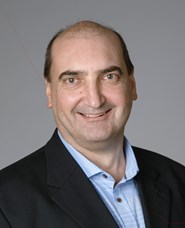
Debra L Milton is a Professor in the Department of Molecular Biology at Umeå University, where she leads a research group focused on infection biology. She also serves as the national director of the National Doctoral Programme in Infections and Antibiotics (NDPIA), a significant player in the national infection biology arena.
Education:
- PhD from University of Alabama (1986)
- Postdoctoral research at Howard Hughes Medical Institute, Salt Lake City, Utah (1986-1989)
- Postdoctoral research at Umeå University (1990)
Dr. Milton's research primarily focuses on the virulence and survival mechanisms of the fish pathogen Vibrio anguillarum. Her group investigates how this bacterium communicates within its population to coordinate complex activities such as biofilm formation, colonization of host tissues, and protein secretion via the type VI secretion system. A key aspect of her work examines how bacteria evade phagocytic capacity of epithelial cells to colonize fish skin surfaces. In collaboration with researchers at Troy University, Alabama, she also investigates the microbial safety of using pureed whole foods for tube feeding.
Analysis of Dr. Milton's publication record reveals a strong focus on bacterial communication systems, particularly quorum sensing in Vibrio species. Her work spans molecular mechanisms of virulence, biofilm formation, and host-pathogen interactions in aquatic environments. The research has significant implications for understanding fish diseases and developing therapeutics for the fish farming industry.
Contact Information:
- Email: debra.l.milton@umu.se
- Phone: +46 90 785 08 15
- Location: 6K and 6L, Hospital area, Umeå University, 901 87 Umeå
As national director of NDPIA, Dr. Milton plays a key role in shaping doctoral education in infection biology across Sweden. Her research group continues to investigate fundamental mechanisms of bacterial pathogenesis with applications to aquaculture and food safety.
Her laboratory focuses specifically on how Vibrio anguillarum constitutes part of the normal microflora of the aquatic environment but can cause vibriosis, a terminal hemorrhagic septicaemia, when fish health is compromised. Understanding these mechanisms aims to aid in the development of therapeutics to prevent disease in the fish farming industry.