معرفی
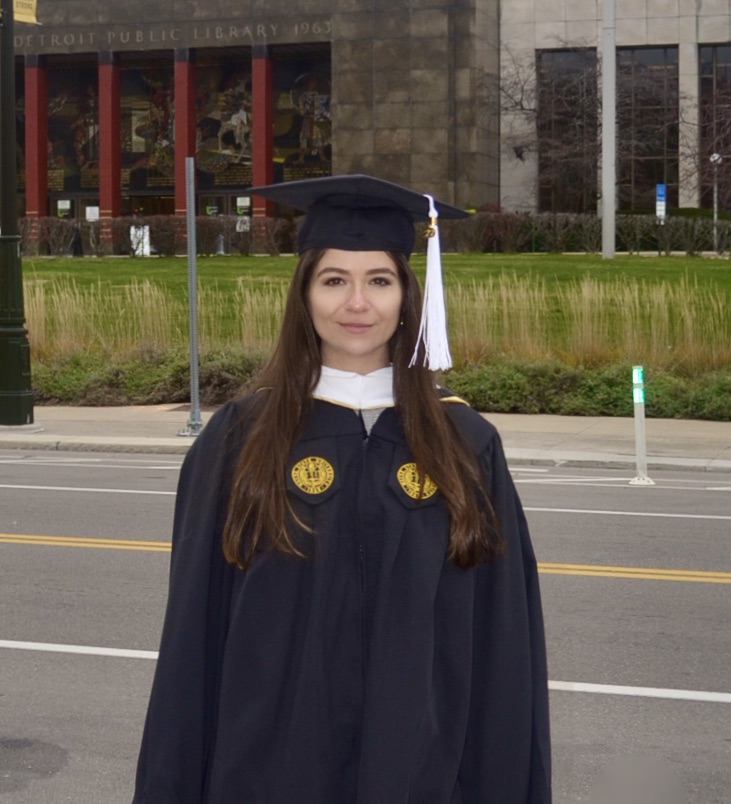
Dr. Deanna Rumble is an Assistant Professor of Experimental Psychology at the University of Central Arkansas (UCA), where she has been affiliated since 2021. Her academic roles include teaching courses such as Health Psychology, Psychological Statistics, and Research Methods. She is actively involved in applied research focusing on pain and cognition, emphasizing hands-on student engagement in projects related to pain mechanisms and interventions. Her work integrates socioenvironmental factors, neurophysiological processes, and innovative technologies like virtual reality for pain management.
Dr. Rumble holds a B.A. in Psychology from the University of North Alabama, an M.S. in Experimental Psychology from the University of South Alabama, and a Ph.D. in Rehabilitation Science from the University of Alabama at Birmingham (UAB). She also completed a postdoctoral fellowship in Pain Science at UAB, alongside certifications in teaching methodologies and research pedagogy.
Her research interests center on chronic pain conditions such as neuropathic pain, low back pain, and sickle cell disease-related pain. Key themes include exploring how socioeconomic status, racial disparities, and neighborhood disadvantage influence pain perception and outcomes. She investigates novel treatments like virtual reality interventions and examines biomarkers such as vitamin D levels and inflammatory markers to understand pain mechanisms.
Her publication trends highlight interdisciplinary approaches, combining clinical pain assessment with psychological variables like optimism/pessimism and injustice appraisals. Recent work emphasizes feasibility studies of emerging therapies and longitudinal analyses of sleep-pain relationships. Though no specific awards are listed, her contributions align with cutting-edge pain science methodologies.
Dr. Rumble advises students on projects involving pain physiology, psychosocial factors, and technological interventions. While no grants are explicitly noted, her active research program suggests involvement in grant-funded initiatives. She collaborates in multidisciplinary teams addressing pain issues across lifespan stages and cultural contexts.