معرفی
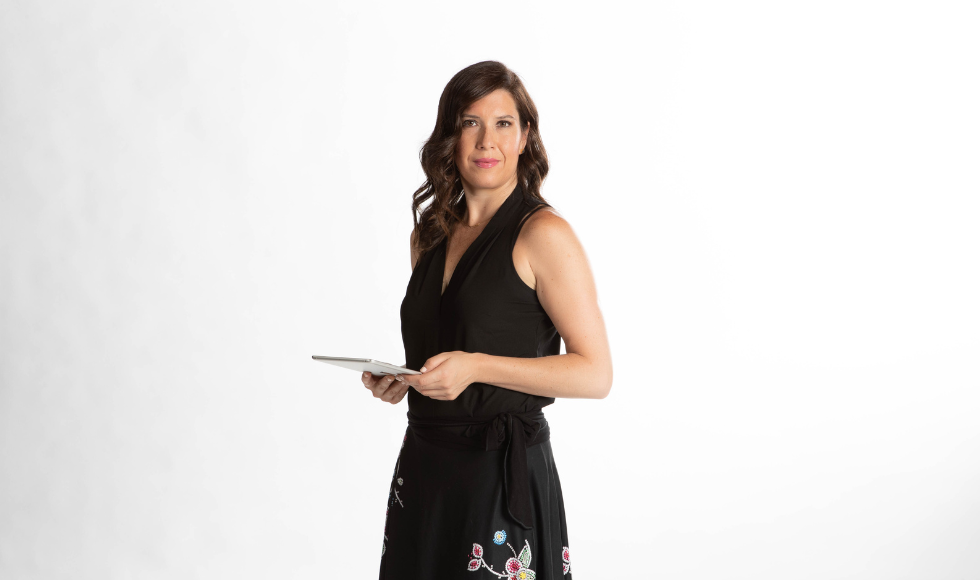
Dawn Martin-Hill, Professor Emeritus in Indigenous Studies at McMaster University, is Canada’s first Indigenous cultural anthropologist and the founder of McMaster’s Indigenous Studies Program (1992). She also holds the role of Academic Co-Chair of the Indigenous Education Council and has served as Director of Indigenous Studies since 1998. A Mohawk scholar residing at Six Nations of the Grand River, she integrates Indigenous knowledge systems with Western science to address critical issues of water security, health, and sovereignty.
Education & Training:
- PhD, Cultural Anthropology
Research Interests:
Dr. Martin-Hill’s work centres on traditional ecological knowledge (TEK), community-driven water security, and Indigenous methodologies. Her flagship program Ohneganos co-creates bilingual tools—apps, VR, water sensors, Indigenous mapping, films, and podcasts—to empower First Nations in monitoring and managing water resources. She explores intersections of climate change, maternal health, mental health, and Indigenous governance.
Research Impact:
Spanning hydrology, medical anthropology, and digital health, her recent publications address urgent issues such as water insecurity’s impact on maternal mental health, climate-driven hydrological extremes, and digital mental-health tools for Indigenous youth. Collectively, her work advances decolonizing methodologies and supports United Nations Sustainable Development Goals.
Scientific Awards & Honours:
- Inaugural Fulbright Indigenous Canada–U.S. Scholar Award
- Inaugural Chair, CIHR-IPH Secretariat on Traditional Medicine in Health Research
- Outstanding Teaching Award, Aboriginal Consortium
- 2022 University of Oklahoma International Water Prize
- Oklahoma Universities Water Technologies Award
- Princeton Book Award for forthcoming Ohneganos volume
Funding & Training:
Principal Investigator on four Global Water Futures grants that have supported over 30 graduate students and nine Indigenous Studies undergraduates, plus 45 secondary First Nations students receiving McMaster certificates. She has served as co-investigator on CIHR-IPH ARHNets Center funding 80+ First Nations, Métis, and Inuit graduate students.
Leadership & Service:
Member of the UNESCO Hydrology Committee for Canada, board member of CIHR Institute of Indigenous Peoples’ Health and CIHR Anti-Racism Committee, former Chair of the CIHR College of Reviewers. She spearheaded the McPherson Chair in Indigenous Studies and secured multiple Indigenous student scholarships and bursaries.