معرفی
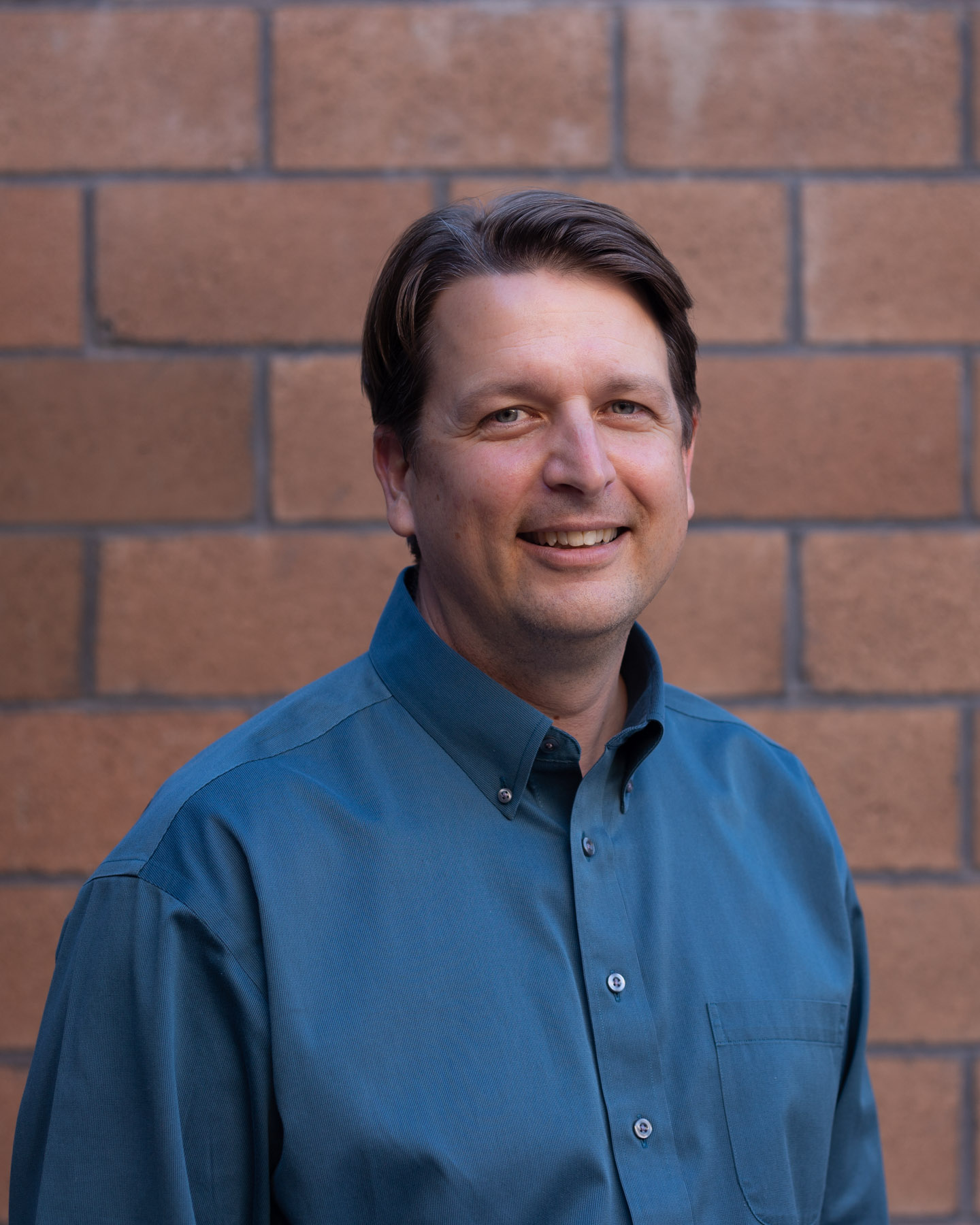
David T. Hanson is a Professor in the Department of Biology at the University of New Mexico and an affiliated faculty member of the Center for Stable Isotopes (CSI). His research integrates photosynthesis, carbon metabolism, and stable isotope methodologies to study physiological processes in diverse organisms ranging from cyanobacteria to flowering plants.
- Education: PhD, University of Wisconsin-Madison (1999); BS (with Honors), University of Iowa (1994)
Hanson's work focuses on non-traditional stable isotope applications, particularly using tunable diode laser systems and membrane inlet mass spectrometry to analyze real-time gas exchange in photosynthetic tissues. His lab investigates carbon concentrating mechanisms (CCMs), photorespiration, light-enhanced dark respiration (LEDR), and their implications for ecosystem modeling and biofuel production. Current projects include NSF-supported research on algal agro-ecosystems and collaborations with Sandia National Laboratories.
Hanson's contributions to understanding aquaporin-mediated CO2 transport and internal leaf conductance have significantly impacted photosynthesis modeling. His lab develops automated systems for high-frequency physiological monitoring in controlled and field environments, with applications in climate change studies, carbon sequestration, and sustainable bioenergy production.
Scientific awards and grants include:
- NSF EPSCoR grant (Bioalgal Energy team co-lead)
- Sandia National Laboratories funding for CCM and lipid composition research
The Hanson Lab collaborates with institutions like Brookhaven National Labs and Union College, and has been involved in organizing Gordon Conferences. Current research also explores positron emitter-based imaging techniques developed through UNM's cyclotron facility.