معرفی
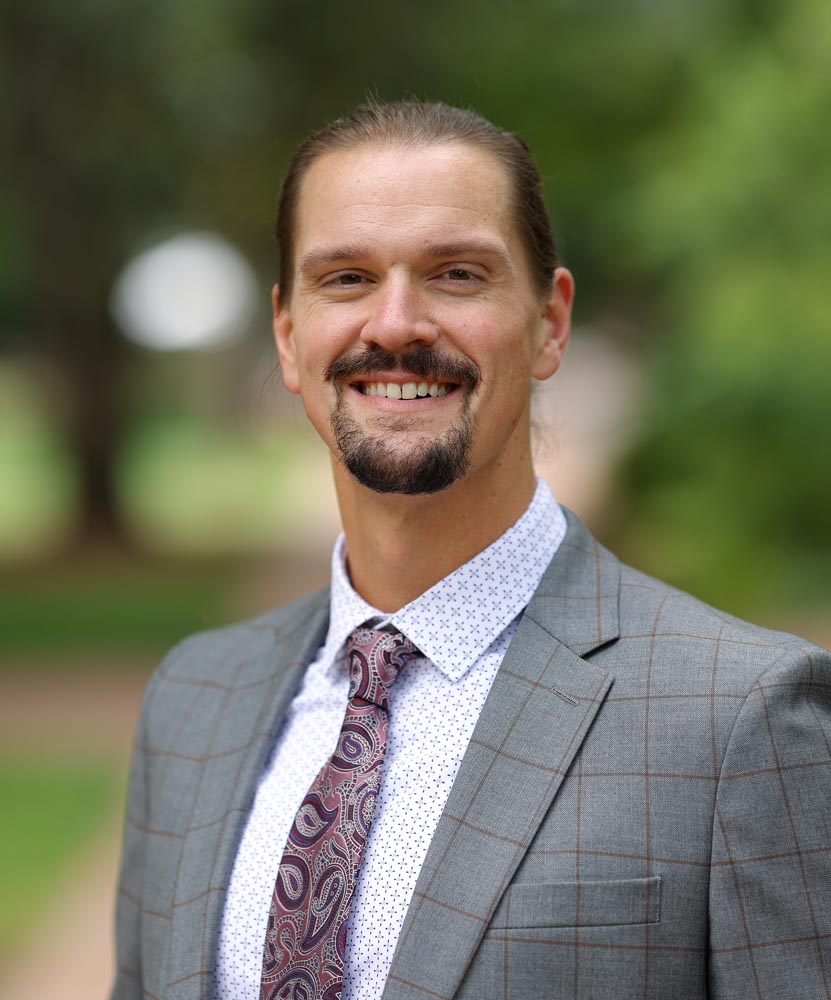
David Luebke serves as the Katherine G. Brady & Thomas A. Brady, Jr., Roger Chickering & Alison Baker Professor of Central European Histories within the Department of History at the University of Oregon's College of Arts and Sciences. His academic profile centers on the religious and social transformations of early modern Germany, with particular emphasis on the Reformation era and its enduring societal impacts.
Professor Luebke's research investigates the complex interplay between religious change, political authority, and communal identity in sixteenth- and seventeenth-century Central Europe. His work examines how confessional diversity shaped local governance, spatial practices, and social relations, with recurring themes including religious coexistence in multiconfessional settings, the rhetoric of Reformation debates, and the lived experiences of rural populations navigating religious upheaval. He employs interdisciplinary methodologies drawing from cultural history, spatial analysis, and memory studies to reconstruct the nuanced realities of religious transformation.
His recent scholarship reveals a consistent focus on the spatial dimensions of religious practice and the adaptive strategies communities developed amid confessional fragmentation. Publications like The Empire's Reformations: Politics and Religion in Germany, 1495-1648 (2024) demonstrate his expertise in analyzing how imperial structures interacted with grassroots religious innovations. The trajectory of his work shows increasing attention to transgressive social practices—including mixed marriages and shared sacred spaces—as mechanisms for negotiating religious difference in early modern German territories.