معرفی
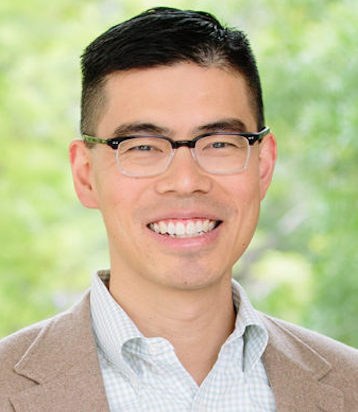
David K. Seitz is Assistant Professor in the Department of Humanities, Social Sciences, and the Arts (HSA) at Harvey Mudd College. He is affiliated faculty in the Cultural Studies Department at Claremont Graduate University and core faculty in the American Studies Program at The Claremont Colleges. His research bridges cultural geography, queer theory, critical race theory, and psychoanalysis, with a focus on affect, citizenship, and popular culture.
His scholarly work explores the affective dimensions of political life, particularly through ethnographic and textual analysis. Key themes include queer citizenship, migrant justice, gentrification, and the politics of emotion. His two major books—A Different Trek: Radical Geographies of Deep Space Nine and A House of Prayer for All People: Contesting Citizenship in a Queer Church—exemplify his innovative use of cultural texts and ethnographic fieldwork to interrogate power, identity, and belonging.
His recent publications span journals such as Environment and Planning D, ACME, Transactions of the Institute of British Geographers, and Antipode. He frequently draws on psychoanalytic theory, especially the work of Melanie Klein, to analyze collective affects like guilt, hope, and disappointment in social movements and urban politics. His work on Paddington Bear and Star Trek reveals how popular culture both reflects and challenges colonial and neoliberal ideologies.
He teaches courses in critical and emotional geographies, urban studies, political ecology, and queer theory. In 2023, he joined the editorial collective of ACME: An International Journal for Critical Geographies, underscoring his active role in shaping critical geographic scholarship.
- Assistant Professor, HSA, Harvey Mudd College
- Affiliated Faculty, Cultural Studies, Claremont Graduate University
- Core Faculty, American Studies Program, The Claremont Colleges
Seitz has not received any explicitly mentioned scientific awards in the provided text. He advises no named students in the materials. His research is supported through academic affiliation and publication rather than listed grants. He is involved in editorial and academic community work, particularly in critical geography and queer studies.
He leads and participates in courses and seminars on topics including political ecologies, the city as a structure of feeling, queer pedagogy, and the geographies of education, reflecting his interdisciplinary and affect-sensitive approach to teaching and scholarship.