معرفی
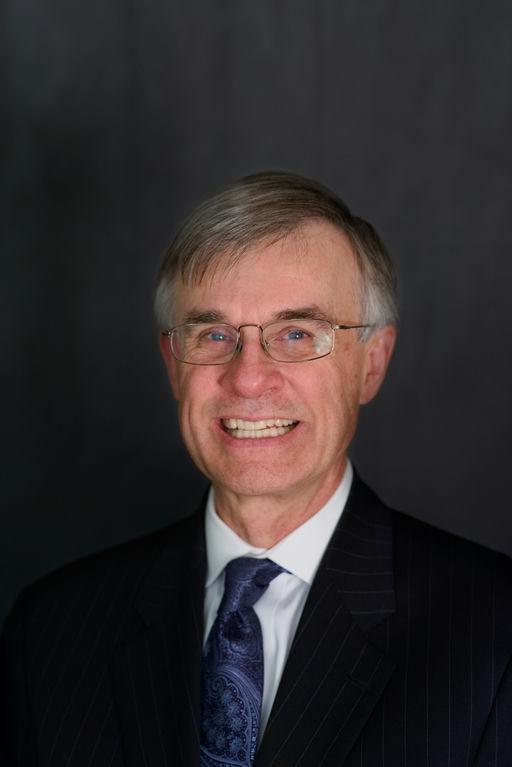
David Hale serves as a Professor at the Institute of World Politics (IWP) and holds concurrent positions as a Distinguished Diplomatic Fellow at the Middle East Institute and Global Fellow at the Wilson Center (2022-2025). A Career Ambassador—the highest rank in the U.S. State Department equivalent to a four-star general—he previously served as Under Secretary of State for Political Affairs (2018-2021), overseeing all U.S. diplomatic missions globally.
Education:
- Georgetown University, School of Foreign Service (1983)
Hale's research centers on diplomatic practice, U.S. foreign policy formulation, and regional dynamics in the Middle East and South Asia. His expertise spans high-stakes negotiations, conflict resolution in the Arab-Israeli context, and strategic analysis of Lebanon, Afghanistan, and Pakistan. He examines historical diplomatic patterns to derive contemporary policy frameworks, particularly regarding U.S. engagement in volatile regions.
His 2024 monograph American Diplomacy toward Lebanon represents a significant scholarly contribution, analyzing decades of U.S. diplomatic engagement in Lebanon through primary documents and firsthand experience. The work synthesizes historical case studies into actionable insights for Middle East policy, reflecting his interdisciplinary approach bridging political science, diplomatic history, and regional studies.
Awards:
- Presidential Distinguished Rank Award
- Two Meritorious Rank Awards
- Secretary of State’s Distinguished Service Award
- State Department Superior Honor Award
- State Department Meritorious Honor Award
- Philip C. Habib Award for Distinguished Public Service
- Jordan’s Order of Istiqlal
Hale teaches The Art of Diplomacy (IWP 636/IWPO 636), leveraging his 35+ years of diplomatic experience across eight presidential administrations. His instruction integrates real-world crisis management scenarios, negotiation simulations, and analysis of classified document declassifications. He maintains active research partnerships with the Middle East Institute and Wilson Center, focusing on post-2020 regional realignments.