معرفی
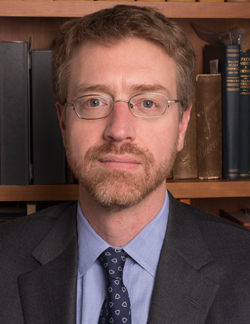
David Gamage is the Law School Foundation Distinguished Professor of Tax Law & Policy at the University of Missouri School of Law, where he joined in 2024 as part of the MizzouForward program. He previously held professorial positions at Indiana University Maurer School of Law and the University of California, Berkeley, School of Law, and has served as a visiting professor at Duke University School of Law, Georgetown University Law Center, and the University of Texas School of Law.
His educational background includes:
- BA, Stanford University
- MA in Economic and Organizational Sociology, Stanford University
- JD, Yale Law School
Gamage is a leading scholar in tax law and policy, health law and policy, public finance, and fiscal federalism. His research focuses on federal and state tax policy, tax theory, the intersection of taxation and healthcare, and fiscal crisis management. He is ranked among the top 10 most-cited U.S. tax law scholars and third all-time among tax professors on SSRN, reflecting his significant influence in the field.
His recent and forthcoming articles explore trends in taxing dynastic wealth, state-level taxation of the wealthy, tax base enforcement, e-commerce tax compliance, and fiscal sustainability. These works demonstrate a consistent focus on equity, enforcement, and systemic reform in tax systems.
He has received the Law School Foundation Distinguished Professor of Tax Law & Policy honor, recognizing his scholarly excellence.
Gamage has advised federal and state policymakers on tax and health law reform, including drafting tax provisions of the Affordable Care Act during his tenure as Special Counsel to the U.S. Department of the Treasury (2010–2012). He has contributed to legislative efforts in California, Illinois, New York, and Vermont. He is also a lead author on Supreme Court amicus briefs and has been cited by the U.S. Supreme Court and lower courts.
He is currently working on a book under contract with Oxford University Press and continues to mentor emerging scholars and contribute to high-impact policy debates.