معرفی
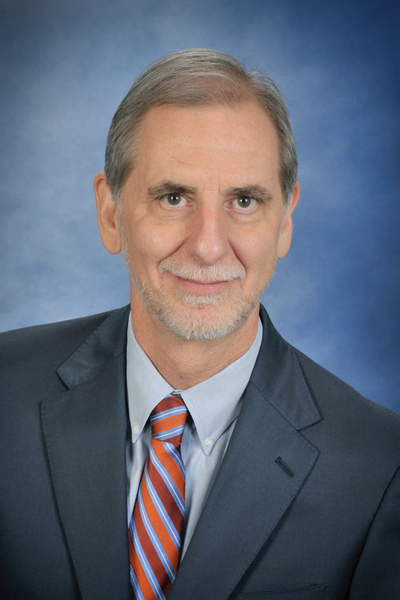
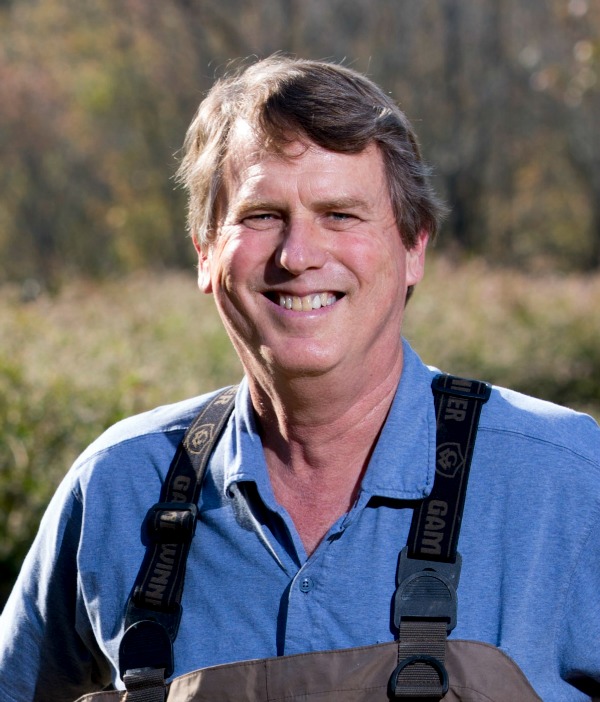
Darold P Batzer is a Professor in the Department of Entomology within the College of Agricultural & Environmental Sciences at the University of Georgia. His research focuses on freshwater wetland ecology, specifically the roles of invertebrates in food webs, predator-prey dynamics, and plant-invertebrate interactions. He collaborates extensively with wildlife biologists due to the critical importance of wetland invertebrates as dietary components for birds and fish, and maintains a long-standing research program on mosquito ecology and management in marsh habitats.
Dr. Batzer's research spans wetland food web dynamics, hydrological impacts on invertebrate communities, and climate change effects on biodiversity. His work examines how invertebrates mediate energy flow between trophic levels, with particular attention to habitats managed for waterfowl. He investigates mosquito population control through ecologically sound strategies and studies the consequences of invasive species, drought, and hydrological alterations on wetland ecosystems. His international collaborations extend to tropical Brazil and northeastern China, reflecting the global relevance of his work on wetland conservation and restoration.
Analysis of Dr. Batzer's recent publications reveals consistent focus on invertebrate responses to environmental stressors across diverse wetland types. His research demonstrates how hydrological changes, climate variability, and habitat fragmentation affect community structure and ecosystem functioning. Geographic scope spans the southeastern United States, tropical South America, and East Asia, with methodological approaches including long-term monitoring, comparative studies, and experimental manipulations to understand wetland resilience.
Dr. Batzer mentors graduate students by initially involving them in his wetland ecology projects before guiding them to develop independent research questions. He encourages interdisciplinary work that leverages the University of Georgia's strengths in aquatic science, particularly collaborations with researchers studying river-floodplain connectivity and wetland restoration. His students investigate topics ranging from invertebrate colonization dynamics to the role of wetlands in agricultural landscapes.