معرفی
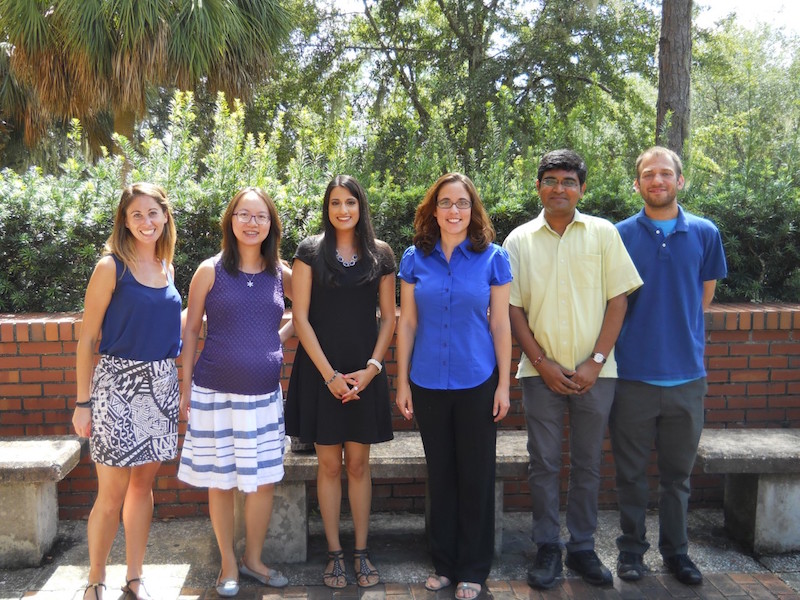
Darlene Kertes is an Associate Professor of Developmental Psychology and Behavioral & Cognitive Neuroscience at the University of Florida’s Department of Psychology, housed within the College of Liberal Arts and Sciences. She holds tenure and previously served as Director of the Developmental Psychology graduate program. Her research focuses on how stress, adversity, and protective factors influence biological and behavioral outcomes across the lifespan, with a particular emphasis on epigenetic mechanisms and neuroendocrine systems. Kertes earned her Ph.D. in Child Psychology from the University of Minnesota and completed a postdoctoral fellowship at Virginia Commonwealth University. She has received prestigious awards from NSF, NIH, and the Fulbright Foundation, and currently chairs the Interdisciplinary Studies Committee for the Society for Research on Adolescence.
Education:
- PhD in Child Psychology, University of Minnesota
- NRSA Postdoctoral Fellowship, Virginia Institute for Psychiatric and Behavioral Genetics
Research Interests: Dr. Kertes investigates how life experiences (e.g., adversity, parenting, neighborhood dynamics) interact with genetic and epigenetic processes to shape stress responses and health outcomes. Her work examines the hypothalamic-pituitary-adrenocortical (HPA) axis, telomere length, DNA methylation, and cortisol regulation from prenatal stages through adolescence. Key themes include the biological impacts of discrimination, protective factors like family support, and the intergenerational effects of trauma.
Publications & Grants: Her 100+ publications span stress biomarkers, epigenetics, and health disparities. Recent work highlights racial disparities in cortisol levels and the role of pet ownership in alcohol use. She has secured over $5M in NIH and NSF funding to support interdisciplinary studies on stress and development.
Teaching & Mentorship: Kertes teaches courses on developmental neurobiology, epigenomics, and gene-environment interaction. She mentors over 90 undergraduates and 15 graduate students, many of whom pursue medical degrees, research careers, or policy roles. Her lab fosters a collaborative environment bridging psychology, biology, and public health.
Professional Service: She serves on the editorial board of the Journal of Adolescence and advised NIH as an AAAS Science Policy Fellow, contributing to the Genes, Environment, and Health Initiative.