معرفی
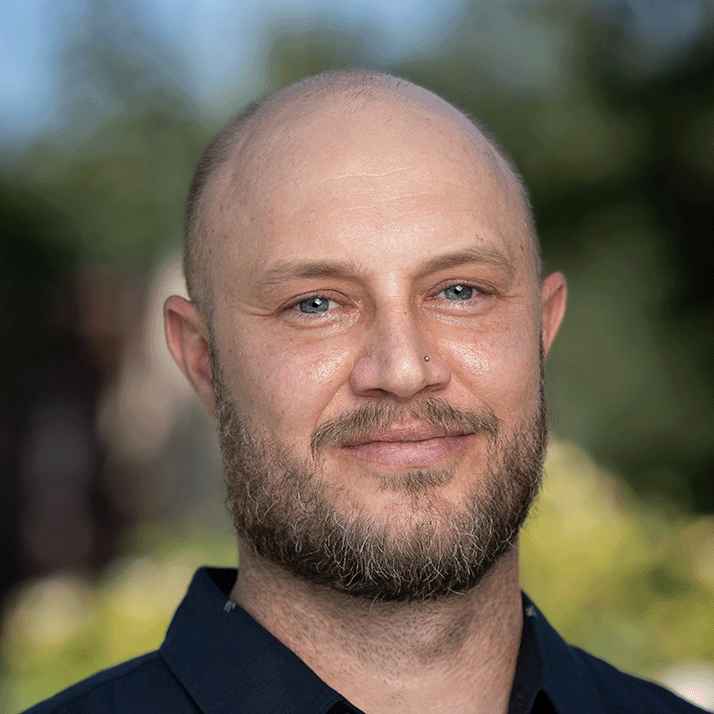
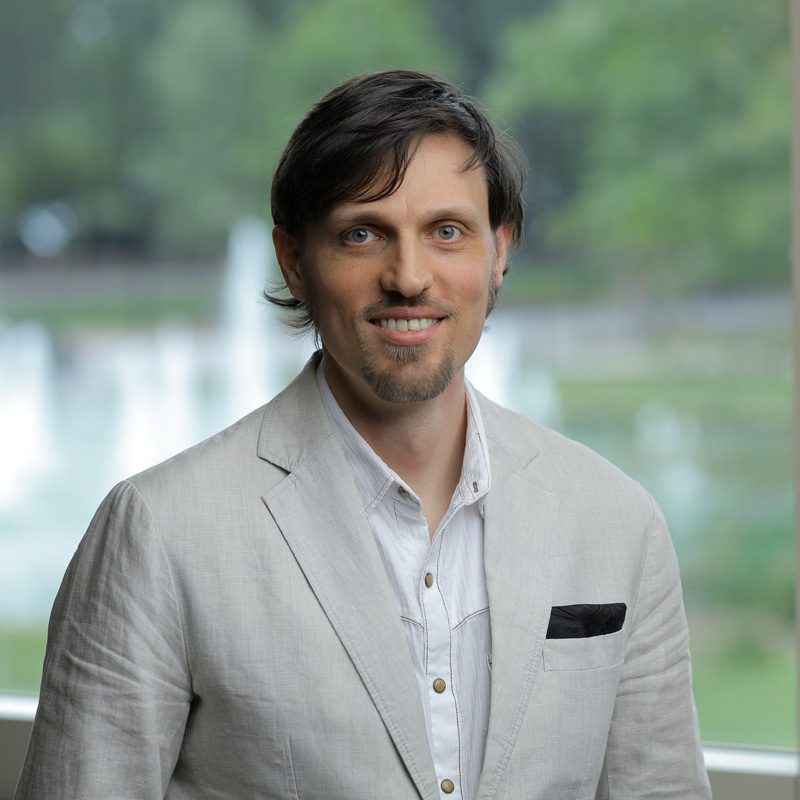
Daniel Worden serves as a Professor in the School of Art within the College of Art and Design at the Rochester Institute of Technology, where he also holds the position of Cary Fellow in Comics Studies at RIT's Cary Graphic Arts Collection. His academic leadership spans multiple interdisciplinary domains, with particular focus on the intersections between visual culture, American literature, and critical theory.
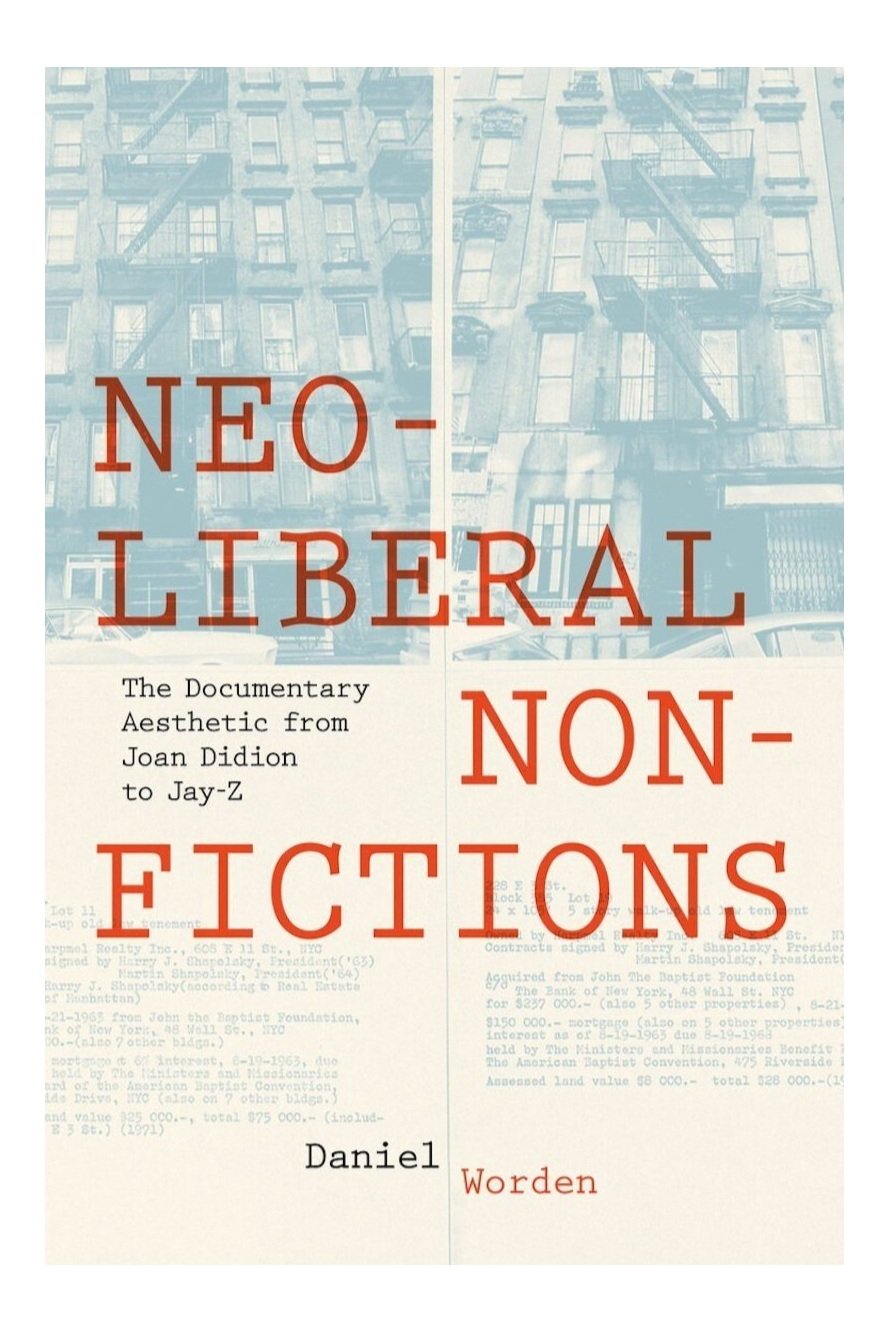
Worden's research explores the complex relationships between comics, petrochemical culture, and neoliberalism. His scholarship examines how visual narratives document and critique contemporary political and environmental issues, with special attention to documentary aesthetics across multiple media forms. His work bridges historical analysis of comics with contemporary concerns about energy, representation, and social justice. He has developed innovative frameworks for understanding comics as both artistic expression and cultural critique, particularly through his analysis of the 'documentary aesthetic' in works ranging from Joan Didion's journalism to Kendrick Lamar's hip hop narratives.
His scholarly contributions have been recognized with the Thomas J. Lyon Book Award in Western American Literary and Cultural Studies for Masculine Style: The American West and Literary Modernism, with additional recent recognition including nominations and shortlists for major academic awards in 2025. His work has established him as a leading voice in comics studies and contemporary cultural criticism.
Worden actively contributes to academic discourse through editorial work, including co-editing the special issue Understanding Comics at 30 for INKS: The Journal of the Comics Studies Society. His teaching encompasses advanced courses in art history, documentary aesthetics, and art comics, reflecting his commitment to developing the next generation of scholars in visual culture studies. His institutional work includes curating exhibits such as Anatomy of a Comic: The Art of Adam Kubert at the Cary Graphic Arts Collection, demonstrating his engagement with both theoretical and material aspects of comics culture.