معرفی
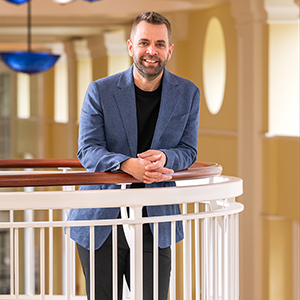
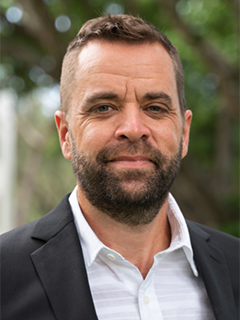
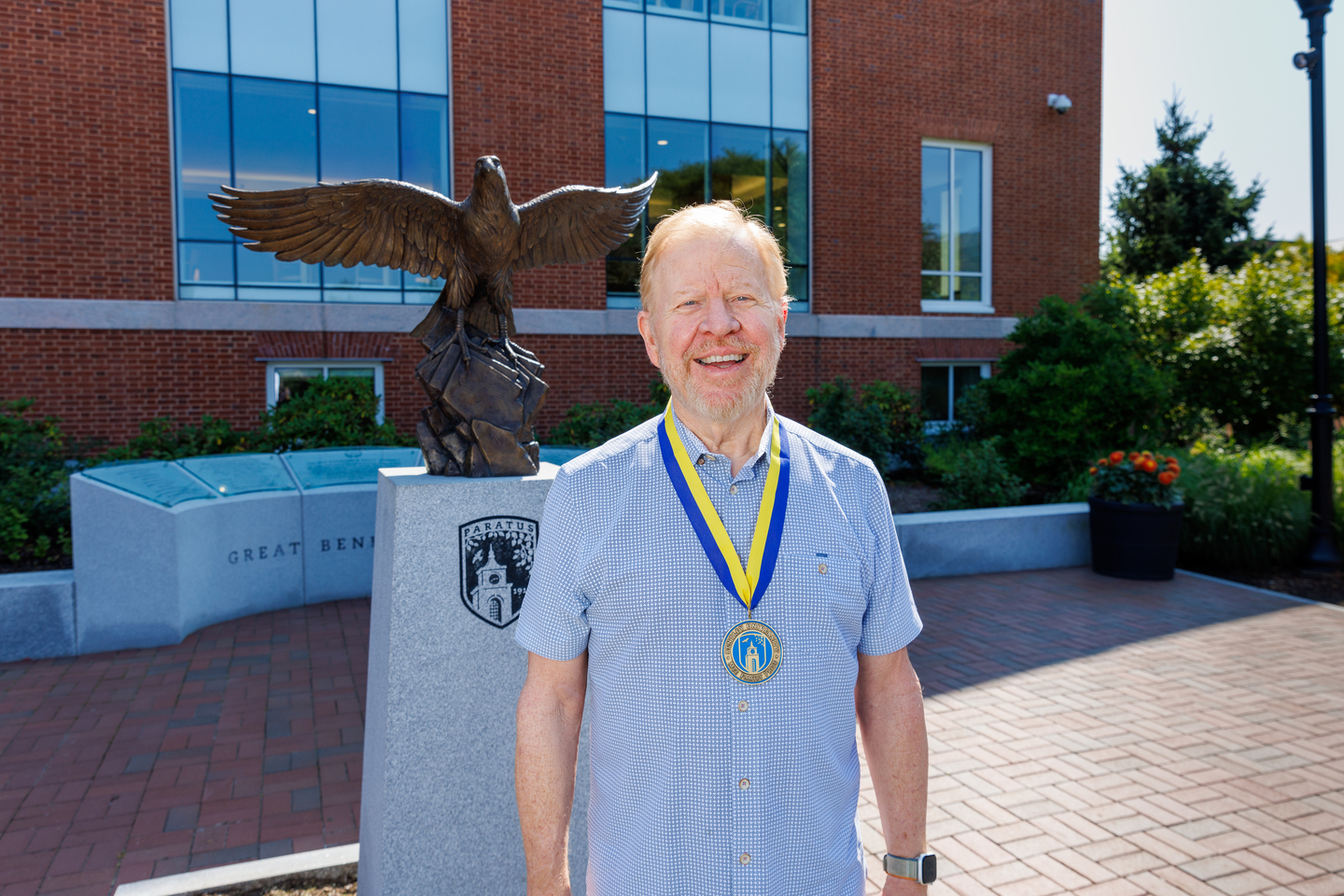
Daniel Everett is a Professor in the Department of Sociology at the College of Arts and Sciences, Bentley University, where he also served as Dean from 2010 to 2018. He holds an additional title as Honorary Research Professor of Archaeology at the University of Liverpool, England. His academic journey includes professorships at the University of Pittsburgh, the University of Manchester, and Illinois State University, along with a visiting scientist role at the Max Planck Institute for Evolutionary Anthropology.
His research interests are deeply interdisciplinary, focusing on the nature of language, language evolution, cognitive sciences, anthropology, and philosophy of mind. He is renowned for his extensive fieldwork among the Pirahã people of the Brazilian Amazon, where he spent nearly eight of the last thirty years, challenging dominant theories in linguistics such as universal grammar. His work bridges empirical linguistic analysis with cultural and cognitive anthropology.
Everett has authored over 100 scientific articles and eleven books, including the best-selling Don't Sleep, There Are Snakes and How Language Began. His publications have been translated into multiple languages and received international acclaim, including being named a best book of 2009 by NPR and Blackwells, and a New York Times Editor's Choice. A documentary, The Grammar of Happiness, explores his life and research.
- NPR Best Book of 2009 for 'Don't Sleep There are Snakes'
- Blackwells Best Book in the UK 2009 for 'Don't Sleep There are Snakes'
- NY Times Editor's Choice for 'Language: The Cultural Tool'
He has advised numerous students and led academic departments and colleges, demonstrating leadership in both research and administration. His current work includes completing the first major intellectual biography of Charles S. Peirce, to be published by Princeton University Press. He has received research support through institutional affiliations and visiting positions, including at the Max Planck Institute.
Everett is associated with interdisciplinary research teams focusing on language, cognition, and culture. His ongoing projects integrate linguistic fieldwork, cognitive theory, and philosophical inquiry, particularly through the lens of under-documented indigenous languages.