معرفی
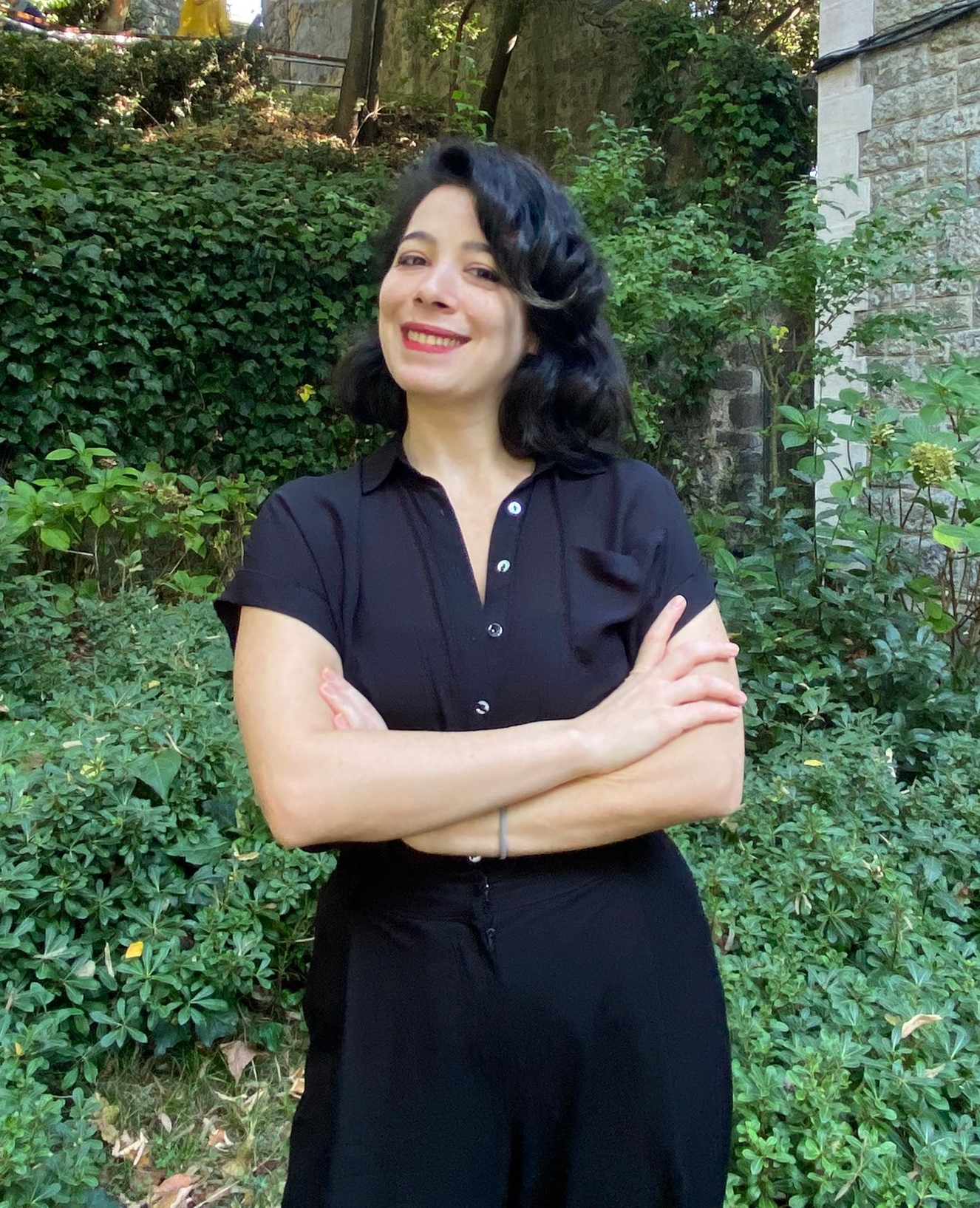
Professor Dolunay Şenol serves as a full Professor in the Department of Sociology within the Faculty of Humanities and Social Sciences at Kırıkkale University, Turkey. Her academic career spans decades with extensive contributions to Turkish sociology, focusing on critical societal issues through empirical research and theoretical analysis.
Her primary research domains include:
- Sociology of Gender: In-depth examinations of gender-based violence, motherhood anxieties, patriarchal structures in early marriage, and gender perceptions among elderly populations
- Family Dynamics: Analysis of divorce patterns, child marriage consequences, changing Turkish family structures, and honor-related conflicts
- Criminology: Studies on fear of crime, cybercrime sociology, victimization patterns, and social psychology of criminal behavior
- Gerontology: Research on aging populations, elderly care systems, and pandemic impacts on senior citizens
- Migration Studies: Investigations into refugee integration challenges and social adaptation of displaced populations
Her publication trajectory from 2021-2025 reveals intensified focus on pandemic-related social transformations, particularly examining university youth mental health, housewives' invisible labor, and regional disparities in crisis response. Methodologically, she predominantly employs qualitative approaches with strong regional specificity—conducting fieldwork in Van, Edremit Gulf, and Kırıkkale—to analyze vulnerable populations including women, children, refugees, and the elderly. Her work consistently bridges theoretical sociology with urgent contemporary issues in the Turkish context.
No scientific awards or honors were documented in the provided source materials.
Available information does not specify doctoral advisees, research grant acquisitions, or laboratory affiliations. Her professional activities appear centered on independent and collaborative qualitative research within Turkish societal contexts, with particular emphasis on regional case studies and institutional analyses.