معرفی
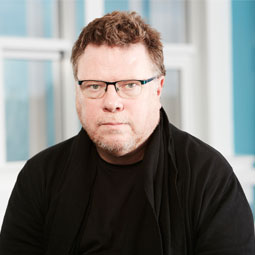
Colin Cameron is a Senior Lecturer at Northumbria University with significant responsibilities in teaching and research related to disability studies. He teaches sociology, philosophy and social policy to BA Guidance and Counselling/Integrated Health and Social Care students, oversees Disability Studies modules taught by a teaching partner in Singapore, supervises MSc social work dissertations, contributes to the MSc in Autism program, and serves as principal supervisor for at least one PhD student.
His educational background includes a PhD in History of Ideas (2006) and an MA (Hons) (1994). Cameron is actively involved in disability research and advocacy, having served as co-investigator on National Lottery-funded research and currently contributing to The Routledge Handbook of Service User Involvement in Human Services Education and Research.
Cameron's research interests center around Disability Studies, with particular focus on the Affirmation Model of Disability, Service User Involvement, Disability Arts development, and Social Policy related to disability rights. His work examines how disabled people can live fulfilling lives through identity affirmation rather than medical model approaches to disability.
His recent publications (2024-2025) demonstrate a consistent focus on disability identity, mental health aspects of disability experience, disability rights activism, and educational approaches that incorporate service user perspectives. The publications reveal a strong interdisciplinary approach connecting philosophy, social sciences, mental health, and disability studies.
Outside his academic role, Cameron serves as board member of Disability Arts Online and Chair of Shaping Our Lives' research committee. He identifies as a disabled person himself and has been recognized as the Whitley Bay Stuckist by Charles Thompson, founder of the Stuckist art movement.
Cameron also provides academic supervision for postgraduate research, currently overseeing Louise Lingwood's PhD research on 'The experiences of health care among Deaf people.' His work integrates community engagement with academic research, particularly through collaborations with disability organizations and service user groups.