معرفی
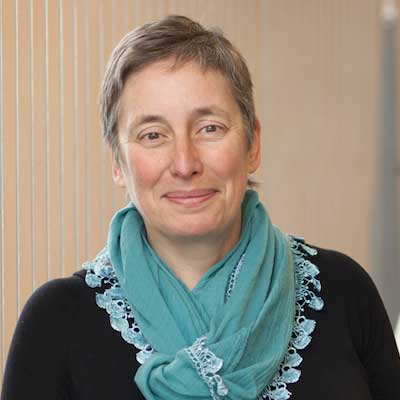
Christopher Langdon is a Professor at the Coastal Oregon Marine Experiment Station and holds an adjunct appointment in the College of Earth, Ocean, and Atmospheric Sciences at Oregon State University, affiliated with the Department of Fisheries and Wildlife. He is actively involved in the Molluscan Broodstock Program and the USDA-ARS Pacific Shellfish Breeding Center.
- Ph.D. in Marine Science, University of Wales, U.K. (1980)
- M.S. in Marine Science, University of Wales, U.K. (1977)
- B.S. in Ecological Sciences, University of Edinburgh, U.K. (1975)
His research focuses on aquaculture of oysters and bivalves, including nutrition, genetic selection, microencapsulation of nutrients, and the impacts of ocean acidification and hypoxia. He also studies polyculture systems involving abalone and sea vegetables like dulse. His work integrates physiology, genetics, and environmental science to improve sustainable shellfish production.
Langdon's recent publications highlight advancements in genetic resistance to OsHV-1 and Vibrio, probiotic and phage-based disease control, seaweed cultivation, and larval physiology. His research contributes to breeding programs that enhance oyster resilience and productivity.
- CAPES scholarship, University of Brazil (2018)
- Fellowship from the Swedish Royal Academy of Sciences (2012)
- Briskey Award, OSU College of Agriculture (2006)
- Leiv Eriksson Mobility Fellowship, Norway (2006)
- Shining Star Award, Dept. Fisheries and Wildlife (2002)
- OECD Fellowship, Kagoshima University (1998)
He advises graduate students, including Henry Fleener, and teaches courses in aquaculture. His research is supported by collaborations with institutions such as the USDA-ARS and Hatfield Marine Science Center, where he is based. He leads studies on larval feeding, shell formation under acidification, and sustainable co-culture systems.
Langdon contributes to major initiatives on ocean acidification monitoring and its impacts on the Pacific Northwest shellfish industry, working with interdisciplinary teams to develop adaptation strategies. His lab focuses on genetic improvement, disease resistance, and sustainable aquaculture technologies.