معرفی
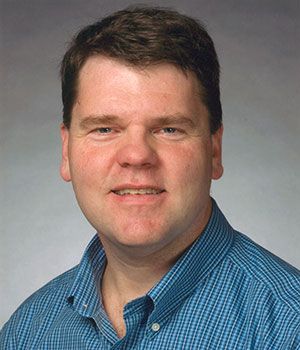
Christopher A. Knight serves as an Associate Professor in the Department of Kinesiology & Applied Physiology at the University of Delaware's College of Health Sciences, where he investigates neural control mechanisms in movement disorders and aging populations.
Education
- Ph.D. in Kinesiology, University of Massachusetts, Amherst
- M.S. in Kinesiology, University of Massachusetts, Amherst
- B.S. in Biology, University of Connecticut, Storrs
Research Focus: Dr. Knight's work centers on Parkinson's disease and aging effects on neuromuscular control, with emphasis on motor unit dynamics, exercise interventions for mobility improvement, and methodological innovations in force control measurement. His laboratory develops scientific foundations for exercise protocols targeting mechanical power enhancement in neurological populations through advanced biomechanical and neurophysiological approaches.
Publication Trends: Recent work (2020-2024) demonstrates consistent focus on Parkinson's disease mechanisms, with recurring themes in motor segmentation analysis, force control deficits, and exercise-based interventions. His research bridges fMRI neuroimaging, biomechanical gait analysis, and neuromuscular electrophysiology across diverse populations including athletes, concussion patients, and aging adults.
Awards
- No specific scientific awards documented in source materials
Academic Leadership: Directs the Exercise Neuroscience Research Laboratory focused on neural control of powerful muscle contractions. Though not recruiting graduate students until Fall 2022, his mentorship extends through courses including KAAP 400 (Research Methods) and KAAP 651 (Neurophysiological Basis of Human Movement). Current research examines Parkinson's disease interventions through cycling protocols and motor control segmentation.
Research Infrastructure: The Exercise Neuroscience Research Laboratory operates from the Tower at STAR facility, conducting studies on neuromuscular excitation patterns, force development dynamics, and exercise adaptations in neurological populations with emphasis on translating findings into clinical mobility interventions.