معرفی
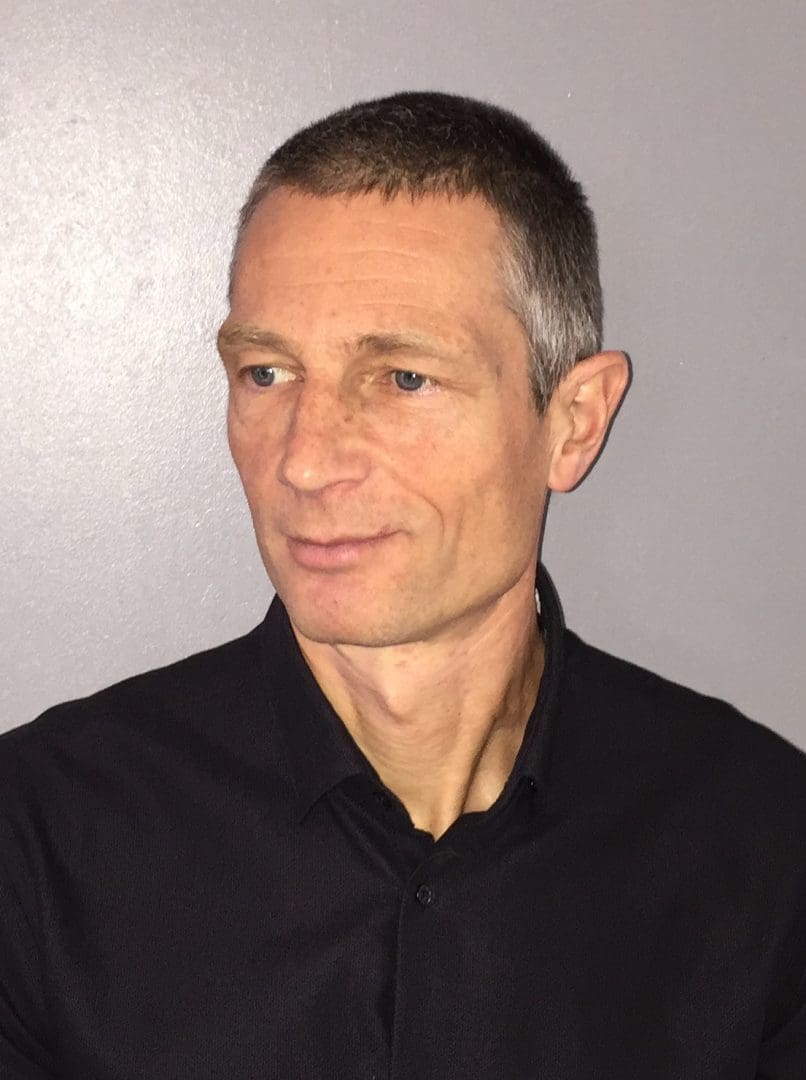
Vianney Rozand is a Junior Professor at the University of Burgundy, affiliated with the Marey Institute in Dijon, France. His research focuses on neurophysiology and aging, with particular emphasis on neuromuscular function, fatigue mechanisms, and motor control in older populations.
His educational background includes:
- PhD in Neurophysiology (2012-2015) from INSERM CAPS Laboratory, University of Burgundy, Dijon
- Post-Doctoral position (2015-2016) at Sandra Hunter's lab, Marquette University, Milwaukee, WI, USA
- ATER position (2016-2017) at University of Côte d'Azur, Nice
- APAS Bachelor's-Master's degree (2009-2012)
Dr. Rozand's research interests span neurophysiology, aging, neuromuscular function, fatigue mechanisms, and motor control. His work particularly examines how aging affects neuromuscular performance, fatigability, and gait economy in both older and very old adults. He investigates the physiological mechanisms underlying age-related declines in physical function, with applications to rehabilitation and maintaining mobility in aging populations. His research combines biomechanical, neurophysiological, and cognitive approaches to understand the complex interactions between the nervous system, muscles, and movement control throughout the lifespan.
His recent publications demonstrate a strong focus on aging and neuromuscular function, with particular attention to fatigability differences between sexes, the effects of different exercise modalities on muscle function, and the neural mechanisms underlying motor control in older adults. His work spans both basic neurophysiological investigations and applied clinical studies, often employing sophisticated measurement techniques to assess neuromuscular function.
Dr. Rozand teaches courses related to aging and motor function, including "L3 APAS – Aging," "L3 APAS – Motor Deficiencies," and "M1 APAS – Bone aging," contributing to the education of future professionals in sports science and physiology.
His research is conducted primarily through the Marey Institute, where he collaborates with interdisciplinary teams to investigate the physiological and neurological aspects of human movement across the lifespan.