معرفی
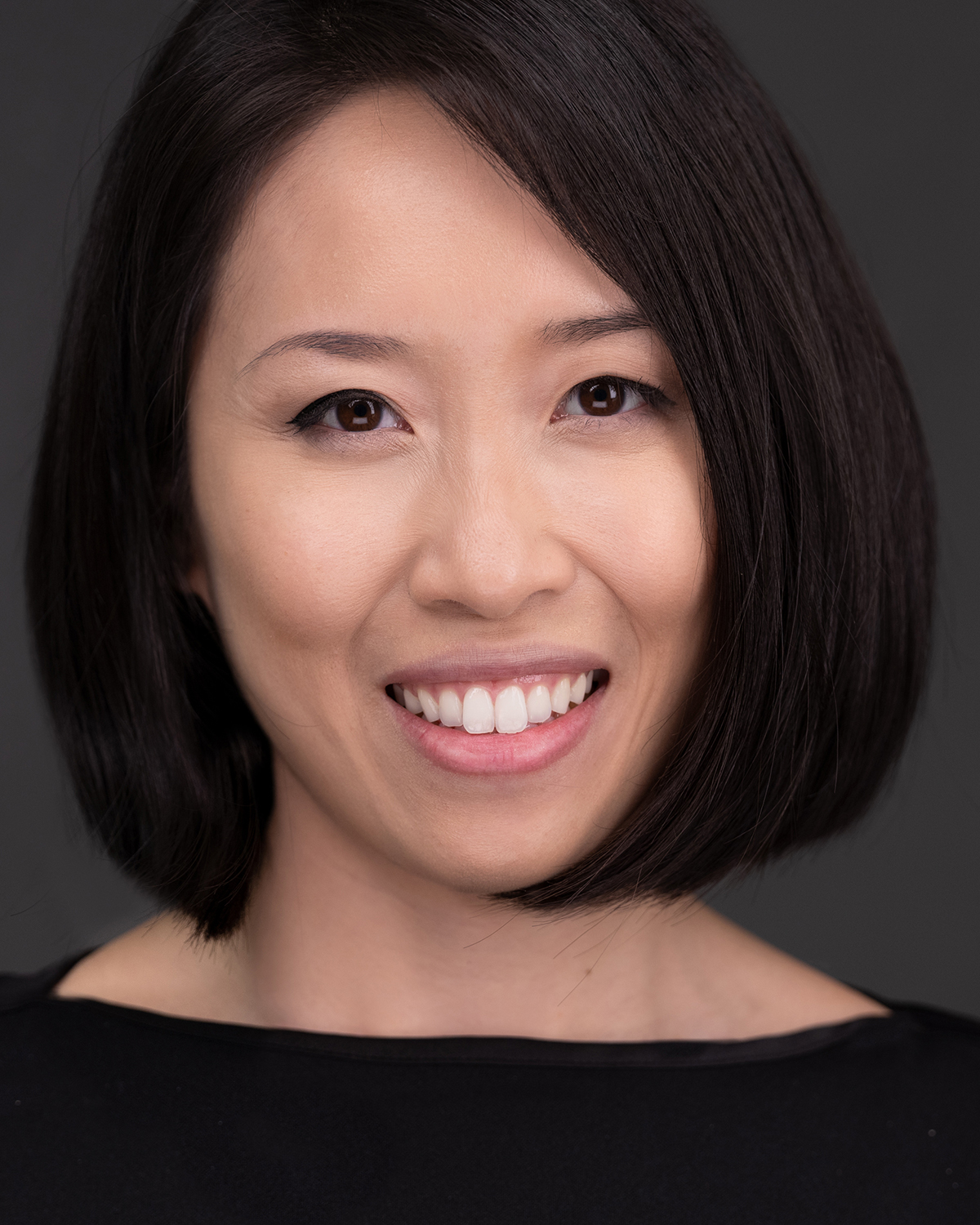
Christina Tzeng serves as an Assistant Professor in the Department of Psychology within San Jose State University's College of Social Sciences. Her research investigates the cognitive mechanisms enabling human comprehension of spoken language despite inherent variability from social factors including age, gender, and regional origin. She examines how listeners rapidly decode speech signals while simultaneously processing speaker identity and contextual information.
Her primary research focuses on cognition, cognitive science, and spoken language perception, with emphasis on how social diversity in speech inputs shapes perceptual organization and auditory expectations. Key investigations include perceptual learning of non-native accents, lexically guided recalibration, integration of linguistic/non-linguistic speech properties, and sound symbolism. Her work demonstrates that speech variability—often perceived as noise—actually facilitates memory organization and predictive processing in human cognition.
Dr. Tzeng's publication record (2010-2024) reveals consistent exploration of perceptual adaptation mechanisms, with recent work emphasizing attentional modulation in accent processing (2024), cumulative statistical learning in speech perception (2021-2023), and cross-modal correspondences in prosody (2016-2018). Her research trajectory shows increasing sophistication in modeling how social context interfaces with core speech processing systems.
Scientific Awards:
- No awards documented in source material
Advising and Grants: Source text provides no details regarding graduate student mentorship or research funding. Her background notes undergraduate research experience in human communication and memory labs, suggesting potential mentorship focus areas.
Dr. Tzeng directs the Cognition of Language Processing (CLAP) Lab, which employs experimental methodologies to investigate spoken language perception. The lab's research framework positions speech diversity not as interference but as fundamental to human perceptual systems, with implications for understanding communication in multicultural contexts and developing more robust speech recognition technologies.