معرفی
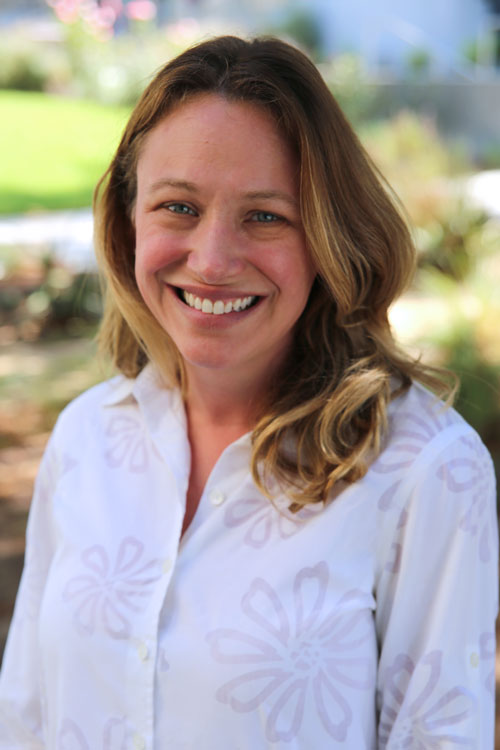
Christina Bauer is an Associate Professor of Environmental Science and Biology at Whittier College, holding the Chester and Olive McCloskey Endowed Chair in Chemistry. She advises the 3-2 Engineering Chemistry Program and is affiliated with the Science & Learning Center. Her academic history includes a B.S. in ACS-accredited Chemistry and a Ph.D. from the University of Arizona/Georgia Institute of Technology. Bauer’s research focuses on nanotechnology, sustainable energy materials, and biomimetic synthesis, with expertise in metal organic frameworks (MOFs), polymeric nanoparticles, and environmental applications like water filtration. She has pioneered bio-inspired approaches for silica nanoparticle synthesis and contributed to radiation detection materials. Bauer is also committed to science education, having developed inquiry-based curricula and mentored students through NSF-funded initiatives. Her work bridges formal and informal education, emphasizing interdisciplinary approaches to scientific challenges.
Education:
- B.S., ACS-accredited Chemistry
- Ph.D., University of Arizona/Georgia Institute of Technology
Research Interests:
- Design of sustainable energy materials via Metal Organic Frameworks (MOFs)
- Nanoparticle synthesis for environmental applications (e.g., nano-plastics, water filtration)
- Biomimetic silica nanoparticles inspired by diatom structures
- Fluorescent nanomaterials for sensing and imaging
- Interdisciplinary science education strategies
Professional Contributions:
- Postdoctoral research at Sandia National Labs on bio-inspired nanoparticle synthesis
- Pioneered hybrid MOF-based scintillator materials for radiation detection
- Developed undergraduate laboratory modules integrating nanotechnology and reaction kinetics
- Mentorship through NSF Discovery Corps Fellowship, connecting community college students to STEM
Labs/Teams: Bauer’s research lab focuses on sustainable nanomaterials development and environmental applications. Collaborates with institutions like UCLA, Sandia National Labs, and community educators to advance interdisciplinary science.