معرفی
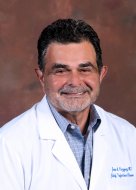
Dr. Cheryl Newman is a Professor in the Department of Medicine at the Medical College of Georgia (MCG), specializing in Infectious Diseases. She holds a clinical and academic appointment at MCG, where she contributes to patient care, medical education, and research. Her work is centered on HIV management and fungal infections, particularly Candida-related urinary tract infections.
Research Interests: Dr. Newman's research spans HIV pathogenesis, immune activation, long-acting antiretroviral therapies, and the epidemiology, diagnosis, and pathogenesis of fungal infections. Her recent work explores the role of indoleamine 2,3-dioxygenase in immune dysregulation among aging HIV patients and the transition to injectable HIV regimens. She has published extensively on Candida urinary tract infections, covering clinical, diagnostic, and epidemiological aspects.
Publication Trends: Her selected publications from 2011 to 2022 show a focused trajectory in chronic infectious disease management, particularly HIV and fungal infections. The articles reflect a blend of clinical research, translational immunology, and public health perspectives, with increasing emphasis on treatment innovation and host immune responses.
- Gold Humanism in Medicine Award (2015)
- Inducted into Gold Humanism in Medicine Honor Society (2015)
- America’s Top Physicians Award (2014)
- Exemplary Teaching Award (2014)
- Family Choice Award (2014)
- Best Doctors in America Award (2013)
Advising and Grants: While no formal advisees or grant funding are listed in the provided text, Dr. Newman actively teaches medical students in the course RINF 5000 (Infectious Disease) and is engaged in scholarly dissemination through peer-reviewed publications. Her professional service includes active membership in major medical societies, indicating leadership and contribution to the broader medical community.
Labs and Teams: Although specific research labs or teams are not mentioned, her work likely involves collaboration with the Division of Infectious Diseases at MCG, clinical research networks, and microbiology/immunology laboratories supporting HIV and fungal infection studies.