معرفی
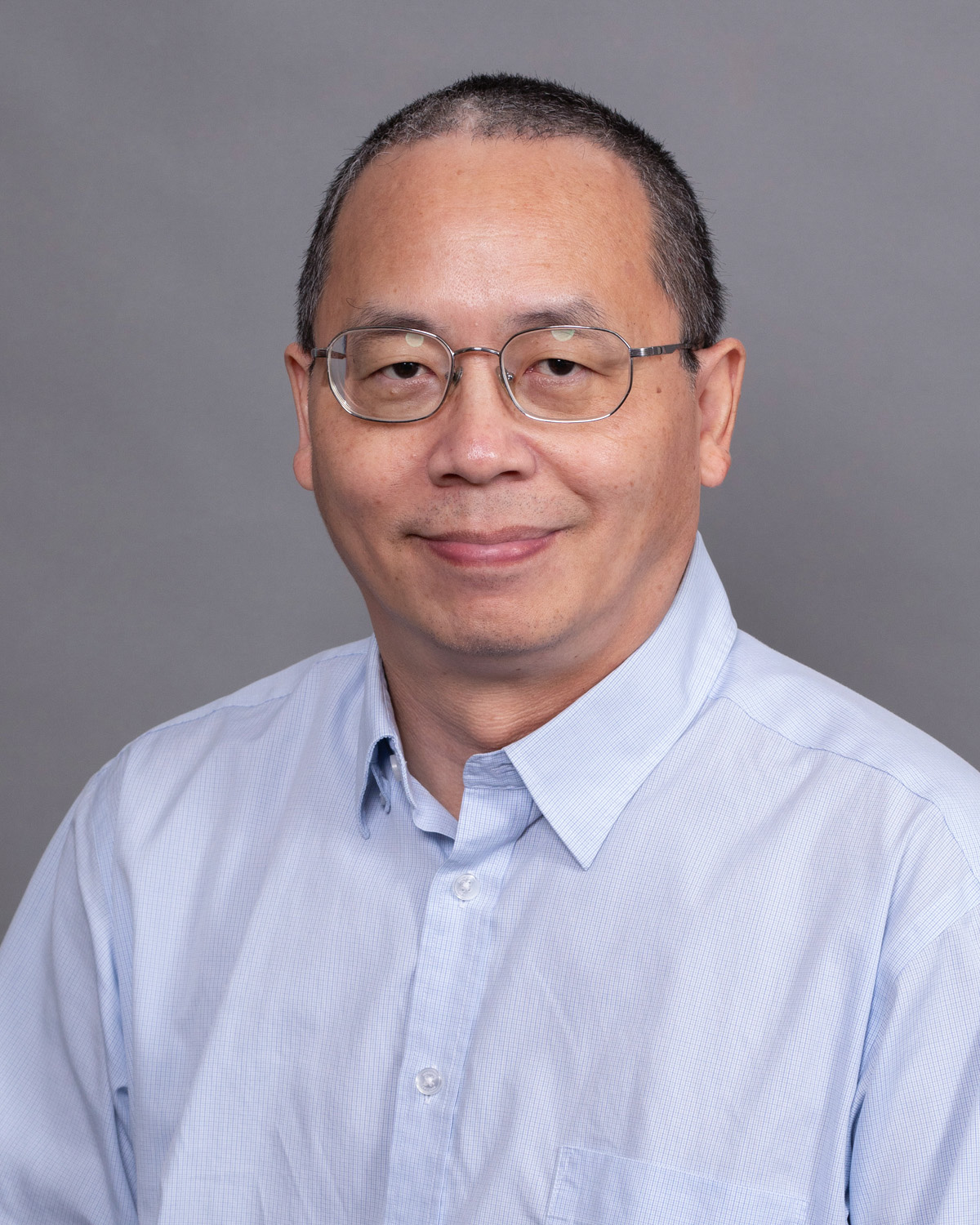
Chaodong Wu is a Professor of Nutrition and Presidential Impact Fellow at Texas A&M University, affiliated with the College of Agriculture & Life Sciences and Texas A&M AgriLife Research. He holds a PhD in Medical Science from Beijing Medical University (1998) and has extensive expertise in metabolic diseases, particularly obesity, insulin resistance, diabetes, and non-alcoholic fatty liver disease (NAFLD). His research focuses on molecular mechanisms linking metabolic dysfunction to inflammation, with emphasis on STING signaling, hepatocyte regulation, and adipocyte-macrophage interactions.
Key projects include investigating STING’s role in MASLD progression, ADK-mediated fatty acid oxidation, and PFKFB3’s control of adipocyte and macrophage functions. His work spans translational studies using mouse models and human tissue samples, with over 150 publications in journals like Gastroenterology and Hepatology. He has received awards from the American Diabetes Association and Texas A&M, and contributes to courses such as NUTR 642 (Human Nutritional Biochemistry).
Research highlights include identifying STING’s role in liver inflammation, ADK’s epigenetic regulation of PPARα, and the therapeutic potential of indole (a microbiota metabolite). His lab also explores biliary senescence pathways and the impact of secretin/secretin receptor signaling in NAFLD. Collaborative efforts address Gulf War Illness-related gut dysbiosis and aging-associated liver pathologies.
- Awards: Presidential Impact Fellow (2020), Innovative Basic Science Award (2017)
- Grants: Multiple NIH and foundation grants supporting metabolic disease research
- Labs/Teams: Wu Lab (Texas A&M), collaborations with AgriLife Research and medical institutions