معرفی
Dr. Chantel Markle is an Assistant Professor at the University of Waterloo specializing in wildlife ecohydrology and conservation biology. Her research focuses on the protection and management of threatened wildlife and habitats through interdisciplinary approaches integrating spatial ecology, GIS, remote sensing, and hydrology to drive evidence-based environmental policy and wildlife management decisions.
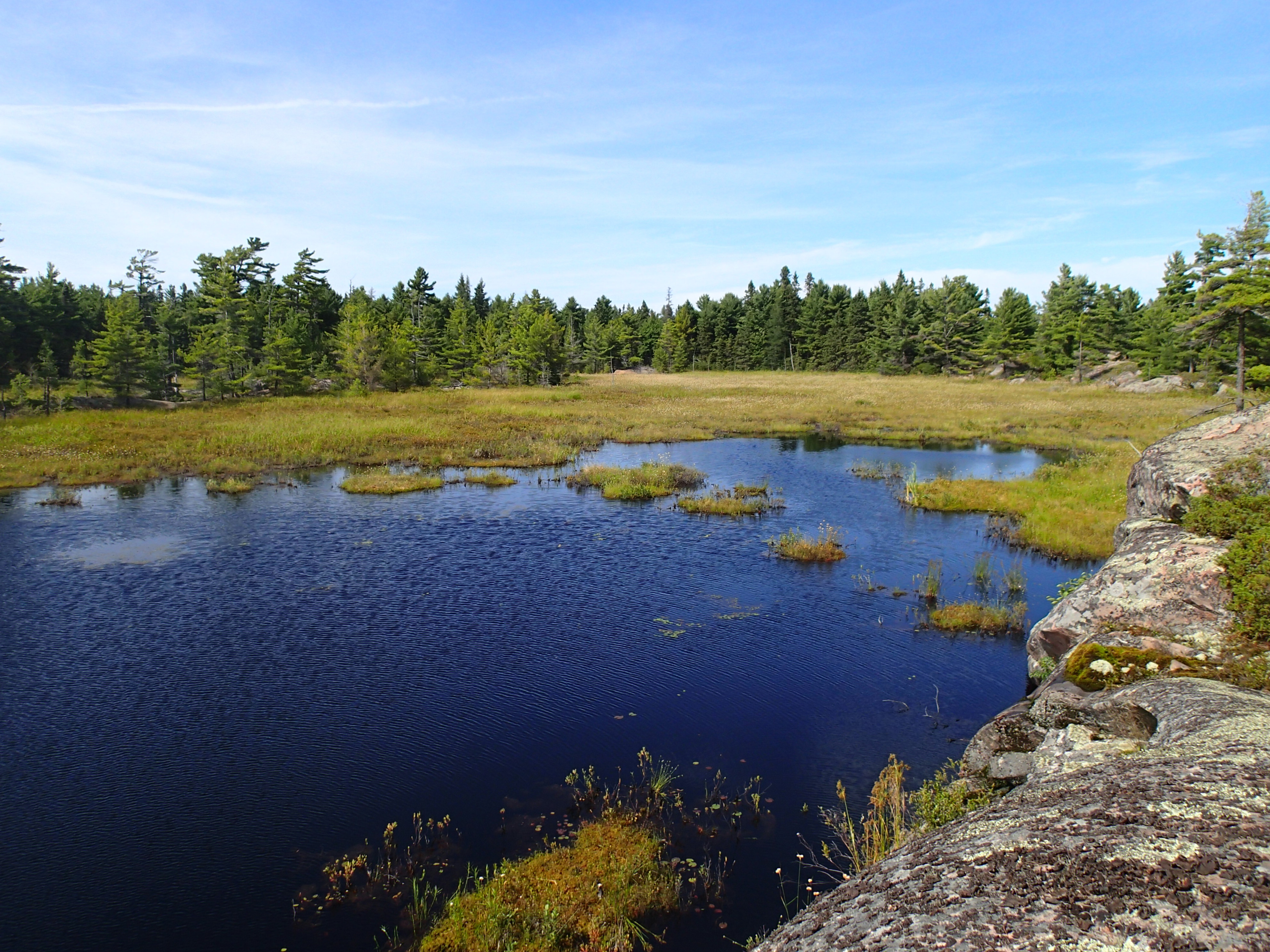
Dr. Markle's research program advances knowledge of spatiotemporal effects of climate change disturbances (wildfire, drought, weather whiplash) on wildlife resilience. She leads three interconnected research themes: 1) Effects of climate-mediated disturbances on habitat function, 2) Climate refugia detection and prediction, and 3) Habitat restoration approaches to enhance climate resilience. Her work particularly focuses on reptiles in vulnerable ecosystems like wetlands and rock barrens landscapes where restoration faces challenges from weather conditions and lack of organic soil.
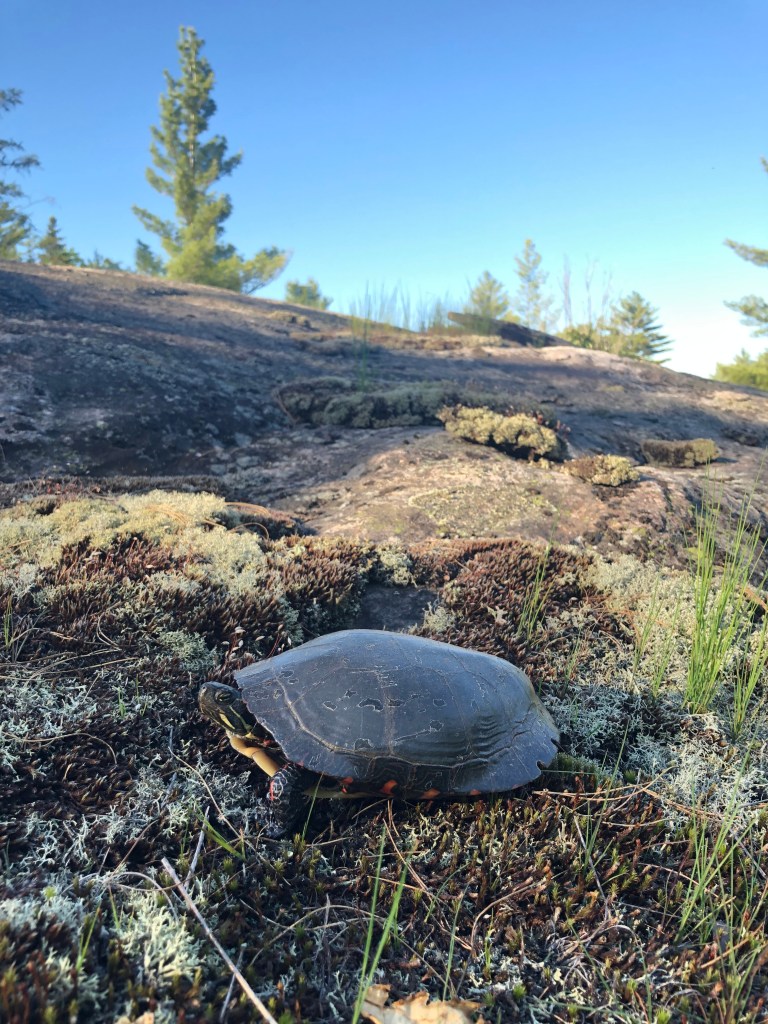
Analysis of Dr. Markle's publication record (2017-2022) reveals a strong emphasis on turtle and snake conservation, with particular attention to overwintering and nesting habitat requirements. Her interdisciplinary approach combines field measurements with spatial analysis to understand how multiple stressors affect ecosystem function and wildlife persistence. A consistent thread through her work is the integration of ecohydrological processes with wildlife habitat needs to develop practical conservation strategies.
Dr. Markle teaches ENVS 278: Applied Statistics for Environmental Research and supervises graduate students in wildlife ecology, spatial and landscape ecology, conservation biology, ecohydrology, habitat restoration, and herpetology. She directs the Wildlife Ecohydrology and Conservation Lab, which develops innovative, interdisciplinary restoration approaches to enhance habitat resilience to climate change, with current projects focused on constructing freshwater turtle nesting habitat and reptile overwintering habitat while monitoring both physical function and ecological success.