معرفی
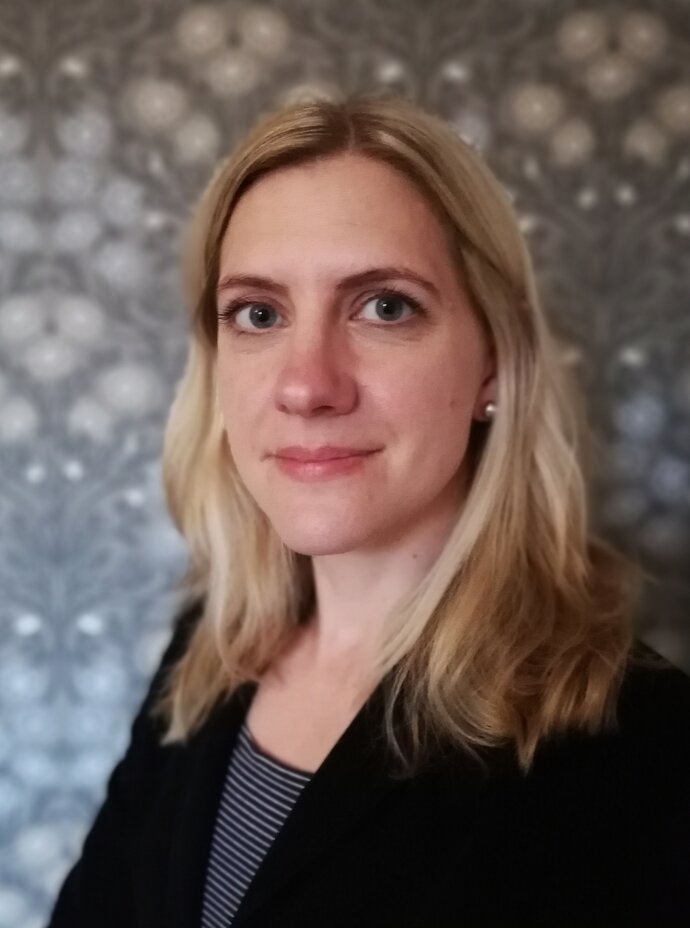
Cecilia Riving is an Associate Professor in History at Lund University's Faculty of Humanities and Theology, Department of History, and serves as coordinator for the National Graduate School in Historical Studies. She is also affiliated with the Birgit Rausing Centre for Medical Humanities, where her work bridges historical scholarship with contemporary psychiatric care.
Her educational background includes a Master's degree in Library and Information Science from Lund University and a doctoral dissertation completed in 2008 titled Not like Other Human Beings: Mental Illness in the Asylum and the Local Community in the Second Half of the 19th-Century.
Riving's research focuses on the intersection of history and mental health, particularly through patient narratives from 1880-1910. She challenges traditional source criticism by analyzing psychiatric patient files to reconstruct social backgrounds, gendered experiences, and emotional worlds of institutionalized individuals. Her methodology emphasizes narrative analysis within medical humanities, contributing to Sustainable Development Goals related to health and well-being.
Her publications reveal consistent engagement with psychiatric history, evolving from 19th-century asylum studies to contemporary therapeutic applications. Recent works demonstrate increasing interdisciplinary collaboration, particularly with medical humanities scholars, while maintaining historical rigor in analyzing primary sources from Swedish state asylums.
Riving actively supervises graduate students through the National Graduate School in Historical Studies and has served as an external reviewer for PhD theses. Her current research project Forgotten Lives. Unearthing Psychiatric Patients' Life Stories in Swedish Patient Files, 1880–1910 (2022-2025) continues her exploration of patient narratives, building on earlier funded projects including Therapeutic encounters. Treatment of mental illness from late 18th to early 20th century (2013-2017).
As part of Lund University's Humanities Laboratory and Birgit Rausing Centre for Medical Humanities, she collaborates on interdisciplinary initiatives examining historical perspectives in modern healthcare, frequently presenting her findings at Nordic medical history conferences and public lectures.