معرفی
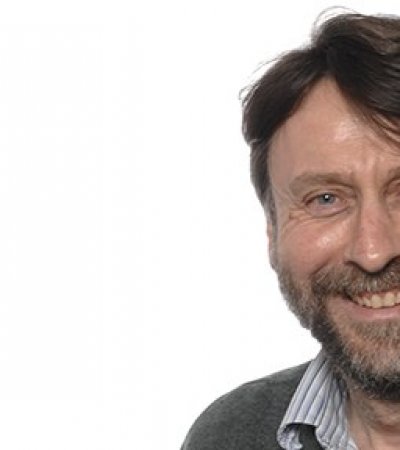
Cecilia Canessa is a Professor of Cellular and Molecular Physiology at Yale School of Medicine, where she maintains an active research laboratory focused on ion channel physiology. Her work bridges cellular physiology, molecular biology, and neuroscience through the study of sodium channels in both epithelial and neuronal contexts.
Dr. Canessa's primary research interests center on two structurally related but functionally distinct sodium channels: the Epithelial Na+ Channel (ENaC) and Acid Sensing Ion Channels (ASIC). Her laboratory examines the structure, function, and regulation of these channels using a diverse array of experimental approaches including electrophysiology (patch-clamp, two-electrode voltage clamp, short-circuit current), molecular cloning from evolutionary distant species, channel modifications, and expression in oocytes, cell lines, and transgenic or knockin mice. Her work on ENaC focuses on mechanisms regulating activity, expression, and trafficking in epithelial cells, particularly the role of serum- and glucocorticoid-induced kinase (Sgk1). Her ASIC research explores biophysical properties and gating mechanisms in central and peripheral nervous system neurons, investigating their roles in nociception, mechanoperception, and synaptic transmission modulation.
Analysis of Dr. Canessa's publication record spanning over two decades reveals consistent focus on ion channel structure-function relationships, with particular emphasis on ENaC and ASIC channels. Her research demonstrates strong evolutionary perspective, examining channel properties across species from fish to mammals. The work shows progression from basic channel characterization to more complex regulatory mechanisms involving kinases like SGK1 and their role in physiological processes. Her research maintains strong connections between basic molecular mechanisms and their implications for human physiology and disease.
Dr. Canessa's laboratory employs a broad methodological approach combining molecular biology, electrophysiology, and transgenic models to address fundamental questions in cellular physiology. Her work has established important connections between channel structure and function, particularly regarding how specific domains regulate channel properties and how these channels contribute to physiological processes in both epithelial and neuronal tissues.