معرفی
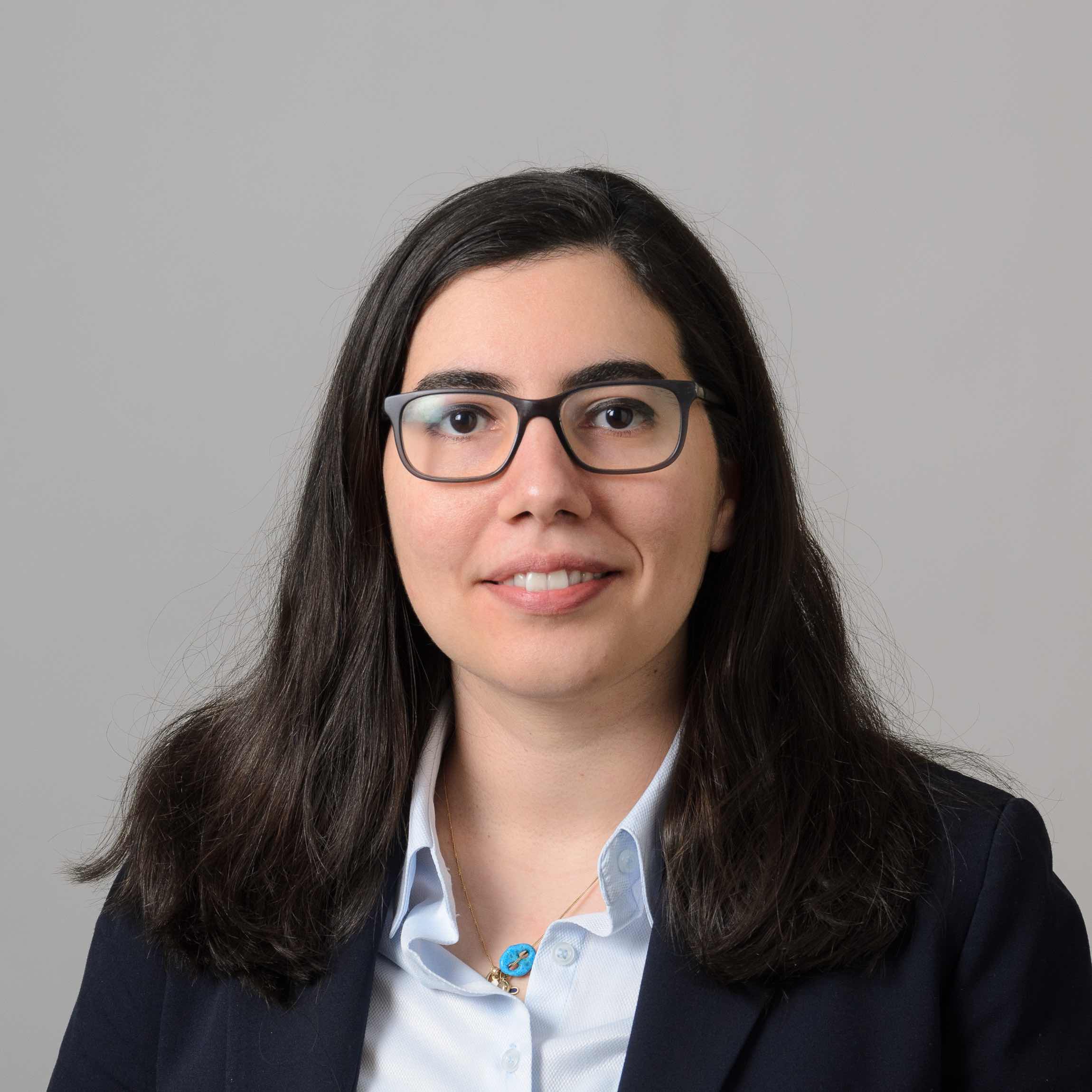
Dr. Burcu Beykal is an Assistant Professor in the Department of Chemical & Biomolecular Engineering at the University of Connecticut (UConn), part of the School of Engineering. She holds a Ph.D. in Chemical Engineering from Texas A&M University (2020), an M.S. from Carnegie Mellon University (2014), and a B.S. from Koç University (2013). Her research focuses on Process Systems Engineering, leveraging Machine Learning and Data-Driven Optimization to address challenges in energy systems, sustainability, and environmental engineering. Key areas include lithium recovery from geothermal brines, zero-liquid-discharge desalination systems, and endocrine disruptor identification using single-cell data.
Her work bridges computational methods with real-world applications, such as optimizing supply chains, designing sustainable processes, and advancing techno-economic analysis. Awards include the 2023 ACS Doctoral New Investigator Award and the 2020 AIChE CAST Directors’ Award. She advises multiple graduate students who have received accolades like the UConn Research Excellence Award and Teaching Fellowships.
- Education:
- Ph.D. in Chemical Engineering, Texas A&M University (2020)
- M.S. in Chemical Engineering, Carnegie Mellon University (2014)
- B.S. in Chemical & Biological Engineering, Koç University (2013)
- Research Themes:
- Data-driven optimization of energy systems
- Sustainable process design and lifecycle assessment
- Machine learning for endocrine disruptor identification
- Process systems integration and scheduling
- Recent Trends in Publications:
- Focus on sustainable lithium recovery and energy systems
- Development of physics-informed machine learning algorithms
- Integration of bi-level optimization frameworks
- Awards:
- 2023 ACS Petroleum Research Fund Doctoral New Investigator Award
- 2020 AIChE CAST Directors’ Award
- Multiple student awards for teaching and research excellence
- Lab/Team:
- Leads the Process Systems and Sustainability Lab at UConn
- Collaborates with industry partners on desalination and resource recovery projects