معرفی
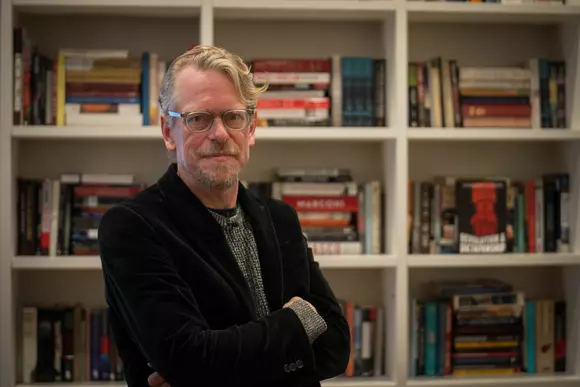
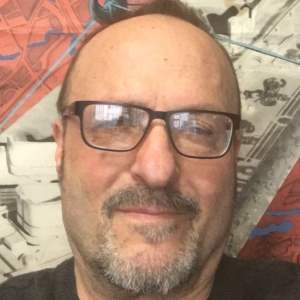
Bulent Gokay is Professor of International Relations at Keele University's School of Social Sciences, where he has been based since 1996. His academic work spans global political economy, Turkish politics, Soviet foreign policy, and energy security in Eurasia. He is the founding editor of the Journal of Global Faultlines and chairs the editorial committee of the Journal of Balkan and Near Eastern Studies.
His research centers on the decline of Western hegemony and the global power shift toward the Global East/South, analyzed through the lens of 'global faultlines'—a metaphor for systemic fractures in the world order. His work examines US foreign policy, oil politics, authoritarian populism, and the historical transformations in Eastern Europe and the Middle East. He has extensively published on these themes, including influential books such as The Fall of the US Empire and The Disintegration of Euro-Atlanticism and New Authoritarianism.
His recent publications reveal a consistent focus on geopolitical realignments, particularly in Turkey and the Eastern Mediterranean, as well as the rise of authoritarian populism, urban resistance movements like Gezi Park, and the intersections of race, identity, and nationalism. He frequently collaborates with scholars such as Vassilis K. Fouskas and contributes to critical debates on decolonization in higher education.
- Chair, Editorial Committee, Journal of Balkan and Near Eastern Studies
- Founder and Managing Editor, Journal of Global Faultlines
- Academic Advisor, Easdale Foundation of Labour Research, London
Gokay has supervised 17 PhD students to completion and currently mentors five doctoral candidates. His supervision areas include Global Political Economy, Turkish Politics, and Oil Politics in Eurasia. He has no listed scientific awards in the provided text, but his editorial leadership and extensive publication record underscore his scholarly influence.
He is actively involved in research dissemination through journals, books, and public commentary, particularly via platforms like openDemocracy, where he analyzes contemporary crises in global politics. His work bridges academic rigor with public intellectual engagement, contributing to debates on terrorism, refugee crises, and the consequences of Western interventionism.
حوزههای پژوهشی