معرفی
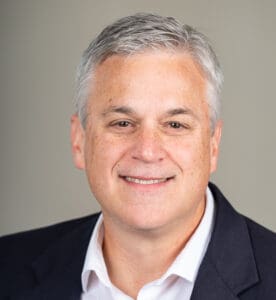
Dr. Brian Shelton is a Professor of Theology at Asbury University, serving as Dean of the School of Christian Studies and Chair of the Christian Thought Department. He holds a Ph.D. in historical theology from Saint Louis University and has over twenty years of experience in Christian higher education. His research focuses on early Christianity, patristic exegesis, and martyrdom studies, with notable work on Italian religious history and original sin theology. Shelton leads study tours in Europe, emphasizing experiential learning about historical sites like Rome, Germany, and Poland. He combines theological scholarship with a background in medical research, having led missions in Honduras. Shelton is a CCCU Leadership Fellow, Georgia Governor’s Teaching Fellow, and senior fellow at the Wesley Center for Christian Thought.
Educational Background: Ph.D. in Historical Theology (Saint Louis University, 200?), M.Div. (Covenant Theological Seminary), B.A. (Asbury University). His courses include Foundations of Christian Thought, Early Church History, and Historical Theology. He has published three major books and contributed to encyclopedic works on biblical reception and patristic thought. His work bridges historical scholarship with contemporary theological engagement, evidenced by his leadership roles in Wesleyan theological centers.
Research Interests: Shelton’s interdisciplinary approach connects early Christian texts with modern contexts. He explores how patristic exegesis addresses suffering through studies like his analysis of Hippolytus’ commentary on Daniel. His work on prevenient grace integrates classical theological debates with pastoral application. Recent projects include examining the cultural relevance of medieval preaching and the impact of early Christian apologetics.
Professional Contributions: Shelton’s articles span from immunology research (2002) to theological historiography (2020), showcasing his dual expertise. He serves on the Manchester Wesley Research Centre board and maintains an active public scholarship presence through his website. His teaching philosophy emphasizes integrating faith and learning through site-based education and collaborative mission work.