معرفی
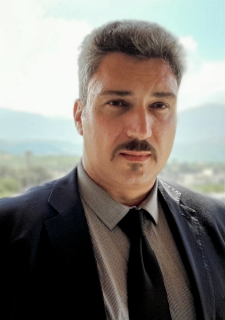
Brian Howard Kvitko serves as an Associate Professor of Molecular Plant Bacteriology within the Plant Pathology department at the University of Georgia's College of Agricultural & Environmental Sciences. His research focuses on the molecular mechanisms underlying plant-bacterial interactions, with particular emphasis on plant immune responses and bacterial pathogenesis.
Dr. Kvitko earned his Ph.D. in Microbiology from Cornell University in January 2009 and completed his undergraduate studies with a B.S. in Microbiology from The Ohio State University in June 2003. His academic foundation in microbiology provides the basis for his current research in plant-microbe interactions.
Dr. Kvitko's research program investigates three primary areas: mechanisms of plant immune action on bacteria, molecular plant-microbe interactions of Pantoea species, and bacterial genetic and genomic engineering with genetic tool development. His work bridges fundamental microbiology with agricultural applications, focusing on bacterial pathogens that affect plant health. His laboratory studies how bacteria interact with plant immune systems, particularly examining the molecular mechanisms that determine host range and pathogenicity.
Analysis of Dr. Kvitko's publication record reveals a strong focus on Pantoea species and Pseudomonas syringae, with recent work emphasizing genomic approaches to understanding bacterial virulence and host adaptation. His research spans from fundamental molecular mechanisms of bacterial pathogenesis to practical applications in plant disease management, with a growing emphasis on genomic and transcriptomic approaches to understand host-pathogen interactions at the molecular level.
Dr. Kvitko leads the Kvitko Lab at the University of Georgia, where his team conducts research on bacterial plant pathogens and plant immune responses. His work contributes to the broader understanding of molecular plant-microbe interactions, with implications for developing sustainable approaches to plant disease management. His research program integrates molecular genetics, genomics, and plant pathology to address fundamental questions about bacterial pathogenesis and plant immunity.