معرفی
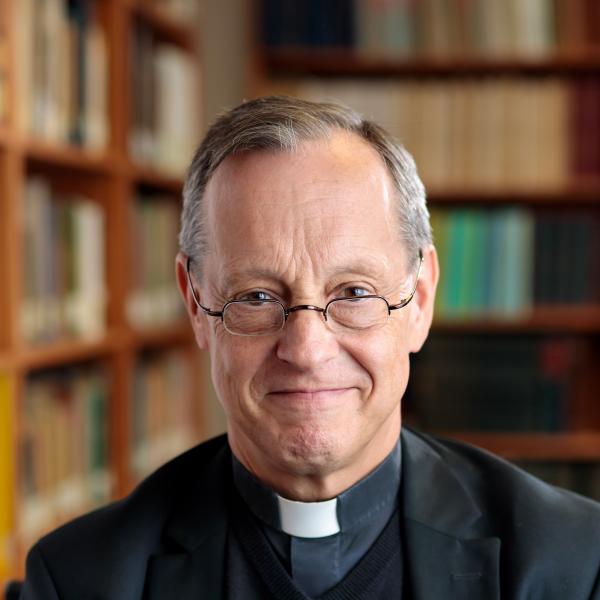
Brian Davies serves as Professor of Philosophy at Fordham University, a position held since 1995 following significant academic appointments at Oxford University (1982–1995) including University Research Lecturer in Theology and Regent of Blackfriars Hall. His career spans over four decades with concurrent visiting professorships at Emory University, Collegio Beda (Rome), and Fordham University.
His academic formation includes:
- B.A. (Hons) in Theology, Bristol University (1972)
- M.Th., King's College London (1973)
- Ph.D., King's College London (1976)
- M.A. by special decree, Oxford University (1994)
Davies is a preeminent scholar of Thomas Aquinas and philosophy of religion, renowned for works like The Thought of Thomas Aquinas and multiple editions of An Introduction to the Philosophy of Religion—translated into eight languages. His research systematically examines divine attributes, the problem of evil, and the metaphysical foundations of theism through rigorous engagement with medieval thought. This work bridges historical analysis and contemporary philosophical discourse, particularly challenging reductive interpretations of religious language and exploring the rational coherence of theological concepts.
His publication record demonstrates sustained scholarly productivity, with 15 representative articles from 1991–2009 revealing thematic continuity in Aquinas studies, divine action, and theodicy. These contributions predominantly appear in New Blackfriars and Philosophical Investigations, showing increasing focus on metaphysical aspects of Aquinas's thought while maintaining dialogue with modern philosophical challenges to religious belief.
Davies has held significant editorial responsibilities including Book Reviews Editor for New Blackfriars (1979–1995) and Associate European Editor for International Philosophical Quarterly (1992–2006). His leadership extends to founding the Outstanding Christian Thinkers series (29 volumes) and Great Medieval Thinkers series (14 volumes), alongside editing five posthumous works by Herbert McCabe for whom he served as literary executor. No information regarding doctoral students or major research grants is provided in the source material.