معرفی
Brian D. Dynlacht, PhD, is a Professor in the Department of Pathology at NYU Grossman School of Medicine and a member of the Perlmutter Cancer Center. His research integrates molecular, genomic, and cell biological approaches to understand transcriptional and epigenetic regulation in cell cycle progression, differentiation, and cancer.
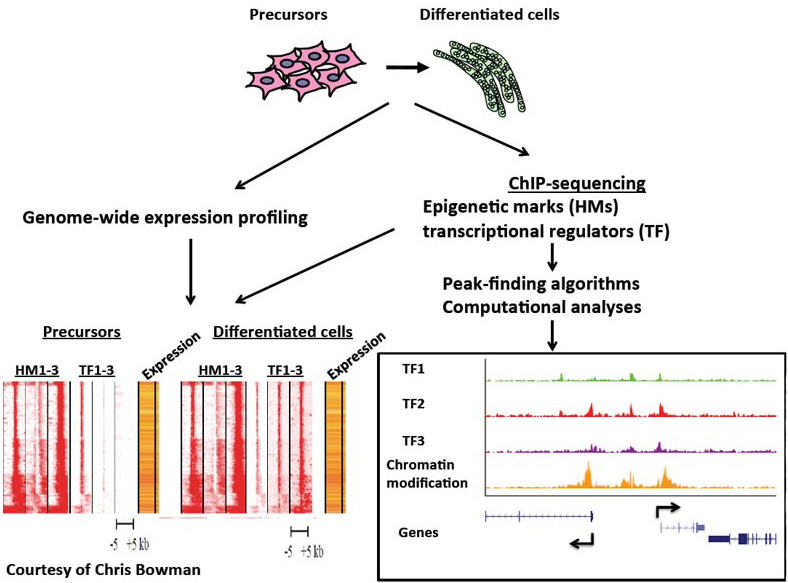
Research Interests: Dr. Dynlacht's research focuses on three major areas: (1) transcriptional regulation of stem cell differentiation, particularly in myogenesis; (2) the molecular mechanisms of centrosome duplication and cilia assembly, with emphasis on proteins like CP110 and Cep97; and (3) the role of long noncoding RNAs in triple-negative breast cancer (TNBC). His work employs ChIP-seq, super-resolution microscopy, and functional genomics to dissect regulatory networks.
Publication Trends: His recent publications span cancer metabolism, mitotic regulation, epigenetic modifications, and cilia biology, reflecting a systems-level approach to understanding cell fate and disease. These works frequently appear in top-tier journals such as Cell, Nature Metabolism, and EMBO Journal.
Awards and Recognition: While specific awards are not listed in the provided text, his sustained research output and leadership in high-impact studies suggest national and international recognition in molecular and cancer biology.
Advising and Grants: As principal investigator of the Dynlacht Lab, he leads a research team investigating fundamental mechanisms in cell biology and cancer. His lab, active since 1995 and relocated from Harvard in 2002, is supported by major grants, likely from NIH and cancer research foundations, enabling long-term studies in epigenetics and cell cycle control.
Laboratory and Team: The Dynlacht Lab is based at the Smilow Research Building, NYU Langone Health. The team includes Irma Sanchez, PhD, Associate Professor, and researchers focusing on chromatin dynamics, centrosome biology, and lncRNAs in cancer. The lab fosters interdisciplinary collaboration, particularly with oncologists and computational biologists.