معرفی
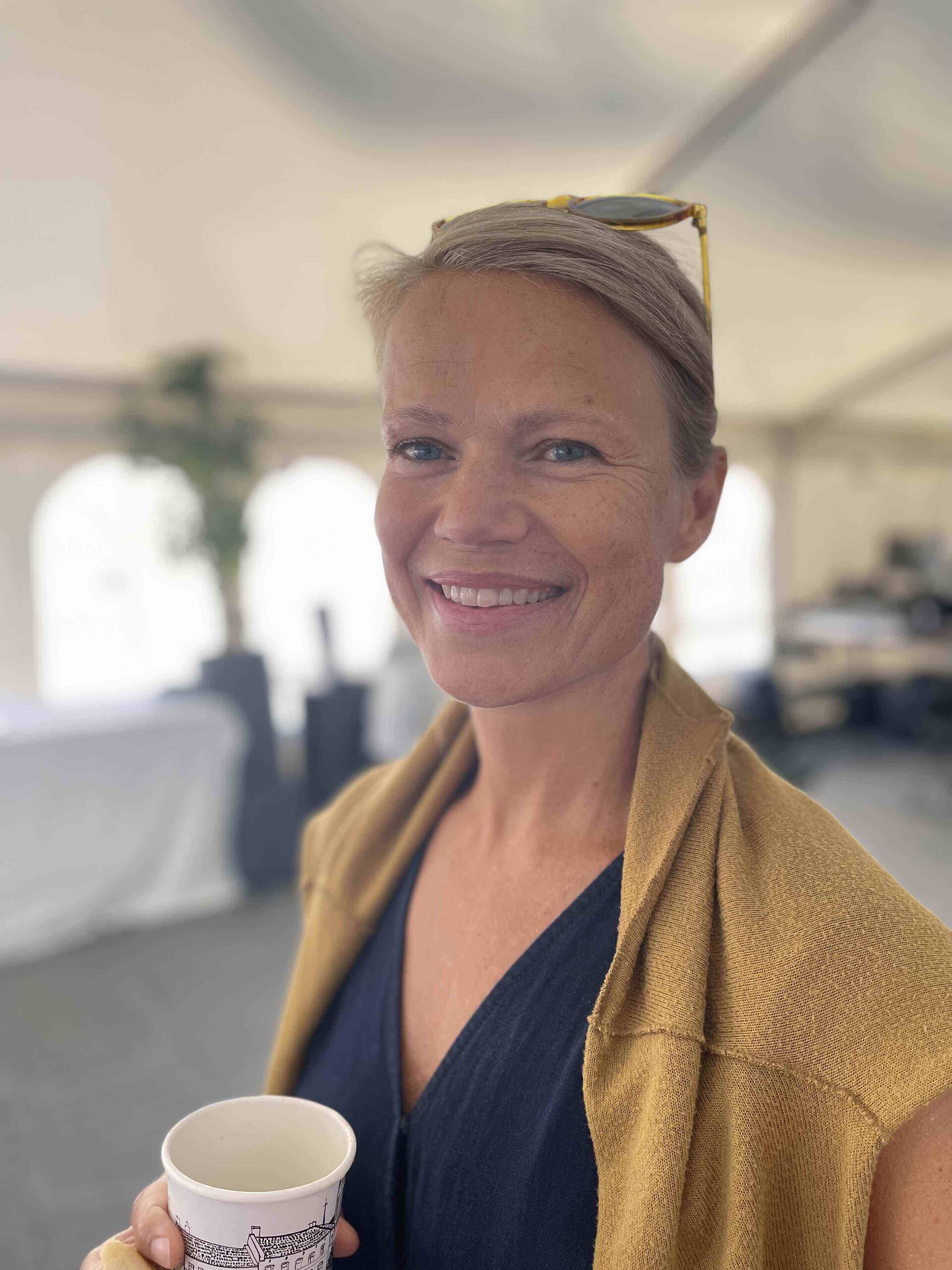
Bolette Frydendahl Larsen serves as a Guest Researcher in the Department of Nordic Studies and Linguistics at the University of Copenhagen, specializing in the history of gender and sexuality, power/knowledge regimes, biopolitics, and psychiatric history through feminist, queer, and crip theoretical lenses. Her work critically examines institutional practices and diagnostic frameworks in Scandinavian contexts.
Dr. Larsen completed her PhD analyzing psychiatric knowledge at Danish reform schools for girls during the 20th century, documenting how diagnoses like 'psychopathy' evolved to categorize 'difficult young girls' and enforce institutional boundaries. This foundational research underpins her ongoing investigations into marginalized communities and medical power structures.
Her research interests focus on historical intersections of gender, sexuality, and psychiatric diagnosis, particularly regarding young girls in reform schools and LGBTQ+ communities during the AIDS crisis. She employs new cultural history methodologies to dissect power dynamics in medical institutions, emphasizing how diagnostic labels shape social exclusion and identity formation across Scandinavian history.
Recent publications (2023-2025) reveal concentrated exploration of Scandinavian HIV/AIDS historiography, historical psychiatric diagnosis in child welfare, and contemporary LGBTQ+ media representation. Key thematic threads include the biopolitical management of populations, social construction of deviance, epidemic response narratives, and the lived experiences of stigmatized groups—demonstrating consistent engagement with power, identity, and institutional control.
No scientific awards or major honors were documented in the available materials.
Dr. Larsen possesses extensive teaching and supervision experience, having instructed at Lund University's Department of Gender Studies (2014-2021) with courses including 'Gender and Law' and 'Introduction to Gender Studies,' while supervising BA/MA theses. Earlier roles included teaching at Lund's Department of History (developing a specialized history of childhood course) and Roskilde University's Department of Communication, reflecting sustained commitment to gender studies education and student mentorship.