معرفی
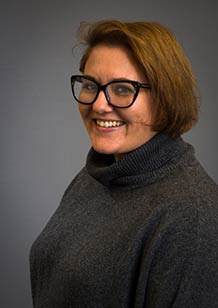
Professor Berni Kelly is affiliated with Queen’s University Belfast, holding roles as Director of the Disability Research Network (DRN) and the Centre for Inclusion, Transformation and Equality (CITE). Her academic background is rooted in Social Sciences, Education, and Social Work within the university’s School of Social Sciences, Education and Social Work. She has led major research initiatives focusing on disability studies, care leavers, participatory research methodologies, and safeguarding practices, particularly in vulnerable populations such as disabled children and young people in public care. Her work emphasizes global perspectives, with studies in Africa, Northern Ireland, and beyond.
Her research interests span disability studies, transitions to adulthood, care leavers’ experiences, and inclusive policy development. Key themes include social justice for marginalized groups, participatory research involving service users, and ethical approaches to interviewing disabled populations. She has contributed to innovative methodologies, such as peer research co-production, and explored how cultural, gender, and disability intersections shape care leavers’ outcomes.
Professor Kelly has secured significant research funding, including leadership roles in projects like
- R3340SWK: Meeting the needs of disabled children in public care (2011–ongoing)
- R4605SWK: Transitions for care leavers with mental/health disabilities (2012–2016)
- R6788CHC: National Disability Authority Evidence Papers (2011–2011)
Her scientific awards include:
- Chair of the Training Social Workers’ Consultative Group (2010, 2005)
- Elected to the INTRAC Executive Committee (2022)
- Invited Member of the NIHR’s Health Technology Assessment Programme (2025)
- Recognition for high-impact journal article (2008)
Professor Kelly is actively involved in multidisciplinary teams and centers like DRN and CITE, which focus on disability rights and inclusive practices. Her work bridges academia and practical policy, with global collaborations influencing care systems in Africa, Australia, and Europe.