معرفی
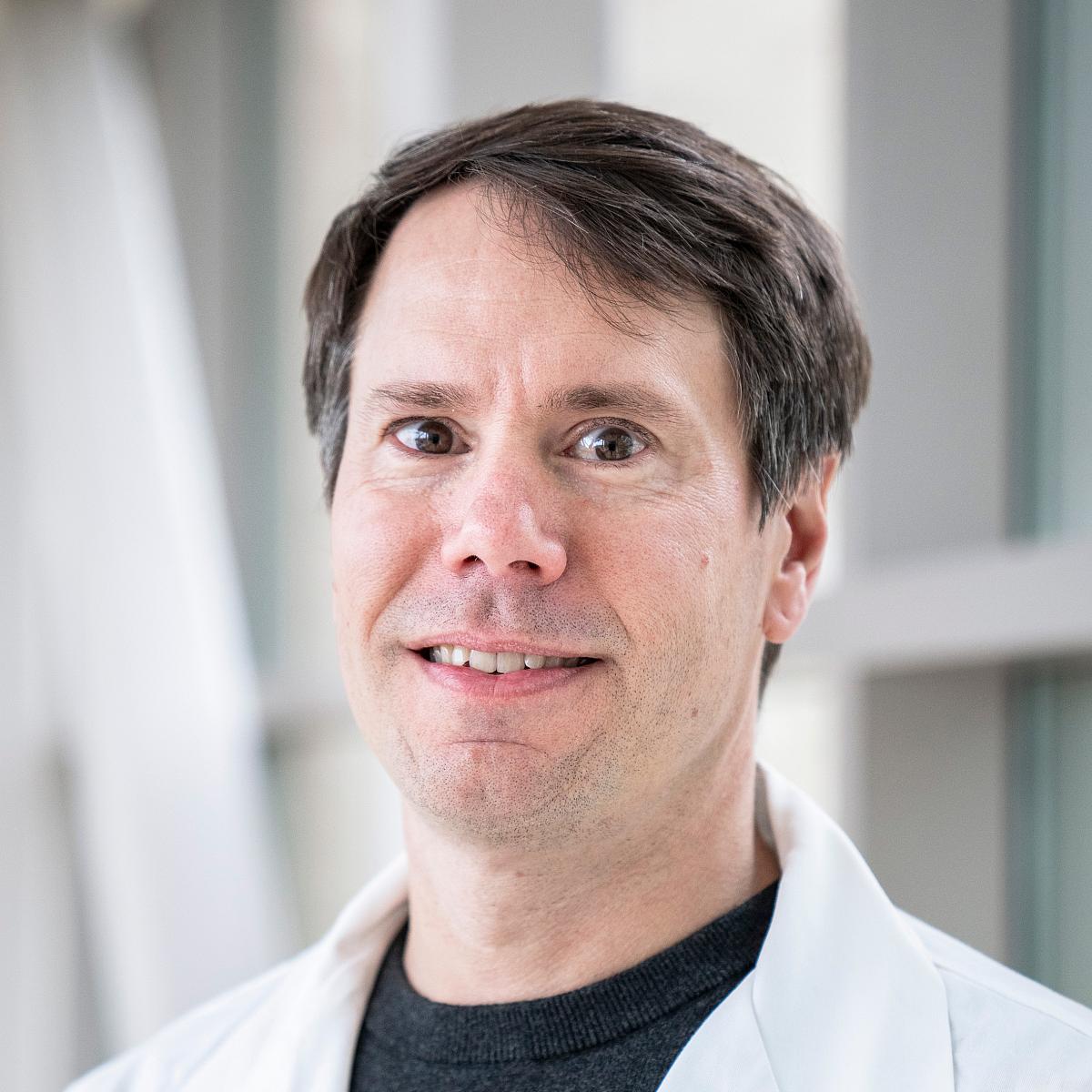
Benjamin T. Spike, PhD, is an Assistant Professor in the Department of Oncological Sciences at the University of Utah and an investigator at Huntsman Cancer Institute (HCI). He is a member of the Cancer Center's Cell Response and Regulation Program, a faculty member of the Molecular Biology graduate program, and part of the HCI Breast/Gynecological Cancers Center (BGCC). Additionally, he holds an adjunct position in the School of Computing.
Dr. Spike earned undergraduate degrees and a Master's from the University of California, San Diego, followed by a PhD in Cancer Biology from the University of Chicago. He completed postdoctoral training at the Salk Institute for Biological Studies before joining HCI and the University of Utah.
His research focuses on understanding molecular regulators of cell behavior in complex tissues during normal development and cancer, with particular emphasis on stem cells in mammary gland development and breast cancer. His laboratory employs molecular/genetic cell engineering, 2D and 3D culture systems, in vivo experimental models, and single cell transcriptomics with computational approaches. His work has revealed important connections between embryonic mammary stem cells and breast cancer, particularly triple-negative breast cancer.
Analysis of Dr. Spike's recent publications shows a strong focus on cellular heterogeneity, cancer stem cells, and molecular signaling pathways like CRIPTO/GRP78. His work spans multiple cancer types including breast, lung, and pancreatic cancers, with a consistent theme of investigating how cellular states change during development and disease progression. His research increasingly incorporates single-cell technologies and computational approaches to understand tumor heterogeneity.
Dr. Spike mentors several graduate students in his lab including Ozlen Balcioglu, Elnaz Mirzaei Mehrabad, David Freeman, and Brooke Gates. His lab philosophy emphasizes basic scientific discovery while remaining attentive to clinical translation opportunities. The lab takes an integrated approach from molecular to organismal levels, maintaining meticulous observations while remaining open to unexpected discoveries.
The Spike Lab investigates several key areas: deconstructing breast cancer at single-cell resolution, studying the role of CRIPTO in cancer cell plasticity, and exploring new pathways and systems relevant to stem cell biology and cancer. Current projects examine how cellular heterogeneity arises and how cell state boundaries are defined molecularly, with potential applications across multiple tissue types and malignancies.