معرفی
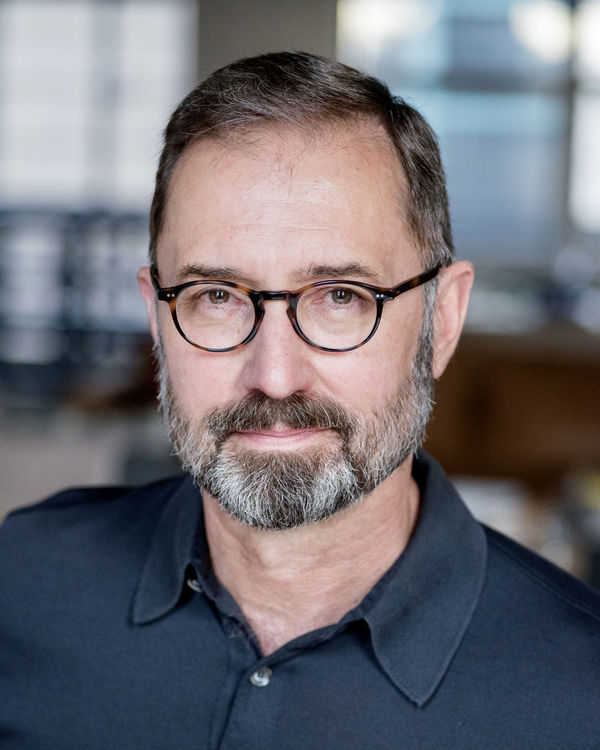
Benjamin Bennett is the Kenan Professor in the Department of Germanic Languages and Literatures at the University of Virginia, within the College of Arts & Sciences. He is a leading scholar in German and European literature, with a focus on drama, literary theory, and intellectual history from the 18th to the 20th century. His office hours are held on Mondays, Wednesdays, and Fridays from 3:00 p.m. to 3:30 p.m., and by appointment, indicating his active engagement with students and academic life.
His research interests span a wide range of topics including:
- Drama and the theory of theater
- German and European literature of the 18th, 19th, and 20th centuries
- Literary theory and irony
- Nietzsche and post-Nietzschean thought
- Utopian and millennial themes
- The intersection of psychoanalysis and literature
- Aesthetics as secular millennialism
The 15 most recent articles reflect a consistent engagement with major authors like Goethe, Thomas Mann, Hofmannsthal, and Freud, while also addressing broader philosophical and cultural questions. His work frequently explores the boundaries between literature, philosophy, and art, with recurring themes of identity, temporality, parody, and the limits of representation. Keywords across these publications include literary theory, German literature, aesthetics, psychoanalysis, and cultural criticism, with subfields ranging from narrative structure to eschatology and political theory.
His scientific awards and honors include:
- Modern Language Association James Russell Lowell Prize (1980)
- Guggenheim Fellowship (1979–80)
- ACLS Fellowship (1976–77)
- Keynote speaker at the Dies Universitatis of Friedrich-Schiller Universität Jena (2001)
- Maxwell Lecturer at Rutgers University (2002)
- Keynote at Indiana University Graduate Student Conference (2011)
While specific names of advisees are not listed, Bennett has supervised graduate students in areas such as 20th-century major authors, utopias, and intellectual history from Nietzsche onward. His research has been supported by prestigious grants including the Guggenheim and ACLS fellowships, enabling significant scholarly output. He has also contributed to academic discourse through book reviews and editorial work, including a foreword to Laurence A. Rickels’ Nazi Psychoanalysis.
Bennett leads no formal lab, but his scholarly network is evident through collaborations, citations, and invitations to speak at major academic events. His intellectual influence extends across German studies, comparative literature, and critical theory, positioning him as a central figure in the interpretation of modern European thought and literature.