معرفی
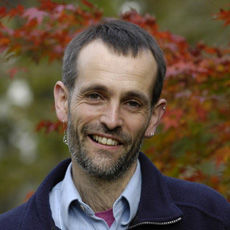
Ben Pink Dandelion is an Honorary Professor of Quaker Studies in the Department of Theology and Religion at the University of Birmingham and Director of the Centre for Postgraduate Quaker Studies, which he founded in 1999 at Woodbrooke, Birmingham. The Centre serves as the world's leading hub for Quaker research with approximately 20 MA/PhD students and a 14-member supervisory team.
His academic background includes:
- Part-time BA in Combined Humanities (History, Religion and Culture, Media Studies) from the University of Brighton
- PhD in the sociology of British Quakerism from the University of Brighton
Dandelion's research centers on the sociology of religion and sects, with specialized focus on Quaker studies across historical, theological, philosophical, and sociological dimensions. He actively investigates endtime theology, apocalyptic thought, and Quaker values in educational contexts, examining how Quaker principles manifest in societal structures and individual spiritual practices.
His publication trajectory reveals a systematic expansion of Quaker scholarship from foundational texts like 'An Introduction to Quakerism' (2007) to comprehensive reference works including 'The Oxford Handbook of Quaker Studies' (2013) and 'The Cambridge Companion to Quaker Studies' (2017). These works demonstrate increasing interdisciplinary integration across religious studies, sociology, history, and philosophy, with recurring themes in Quaker business methodology, apocalyptic theology, and the sociology of religious movements.
Professor Dandelion has supervised over 25 graduate students whose research spans Quaker history, theology, sociology, and literary studies, including projects on Amish communities, Quaker mental health perspectives, and Wittgenstein's connections to Quaker thought. He founded the Quaker Studies Research Association in 1993 and has edited the peer-reviewed journal 'Quaker Studies' since 1995.
The Centre for Postgraduate Quaker Studies operates under his directorship with a dedicated team of 14 supervisors, supporting advanced research across all major Quaker study domains including historical analysis, theological development, sociological observation, and literary interpretation of Quaker texts.