معرفی
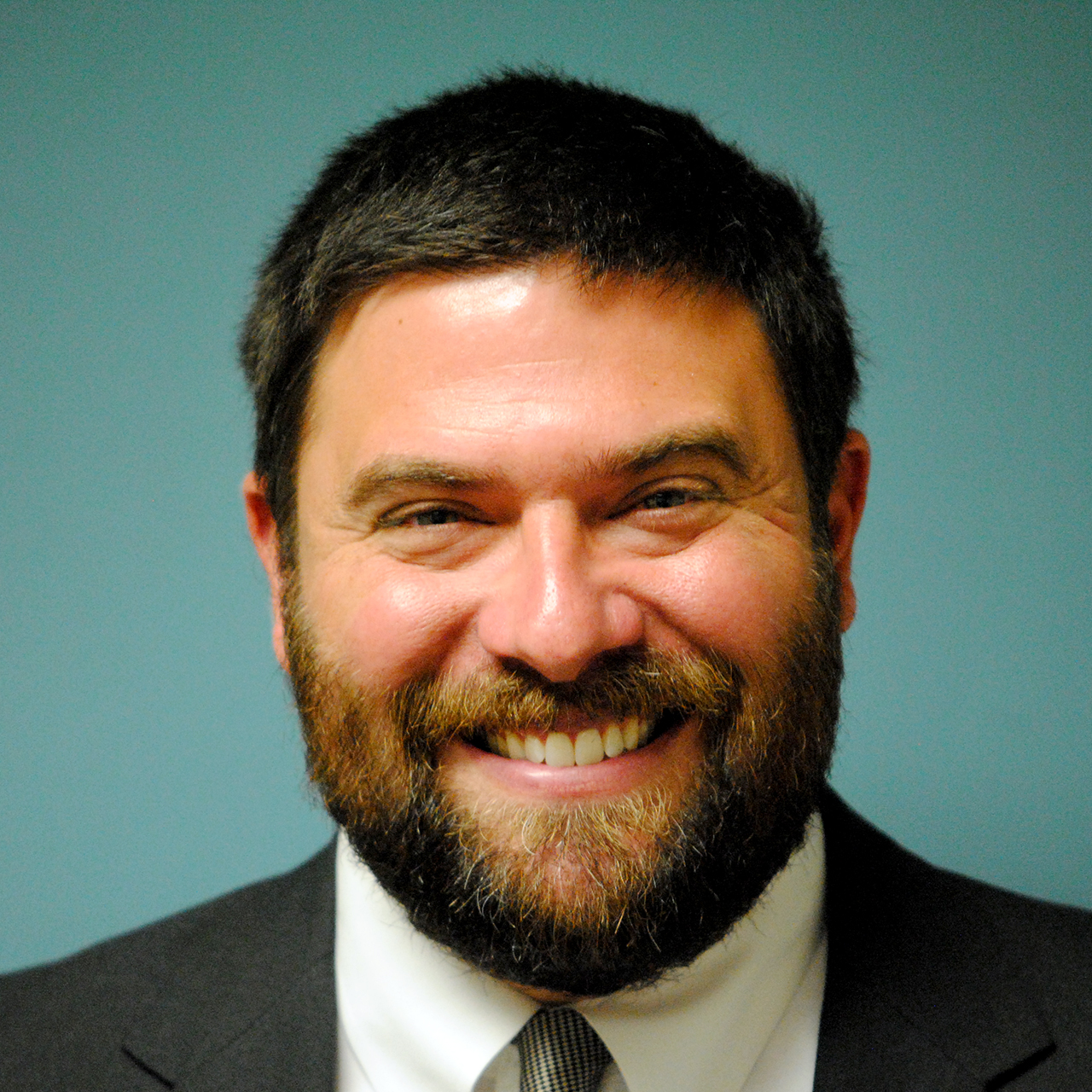
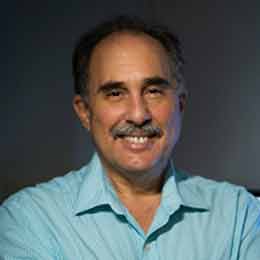
Barry Rosen is a Professor in the Department of Ecology & Environmental Studies at Florida Gulf Coast University (FGCU), part of the College of Arts & Sciences. He holds a Ph.D. in Biology from Bowling Green State University (1982), an MA in Biology from St. Cloud State University (1978), and a BSc in Botany from the University of Connecticut (1976).
His research focuses on algal and cyanobacteria taxonomy, physiological ecology, and harmful algal blooms (HABs), with a strong emphasis on freshwater ecosystems. He explores ecological strategies of cyanobacteria, their toxin production, and impacts on human health and aquatic environments. Rosen has led major projects, including a $2.4M grant from the US Army Corps of Engineers (2019-2021) to study HAB dynamics in Lake Okeechobee, collaborating with federal agencies and universities.
Rosen has authored over 100 publications, including seminal works on cyanobacterial blooms in Lake Okeechobee and Lake Champlain. His work bridges field observations, experimental studies, and advanced analytical techniques. Notable contributions include developing guides for Native American communities to identify HABs and pioneering hyperspectral microscopy for algal characterization.
He teaches courses such as Freshwater Algae and Harmful Algal Blooms, mentoring students in aquatic ecology and toxicology. Rosen frequently presents at national and international conferences, addressing topics like cyanobacterial toxin dynamics and climate change impacts. His research lab actively collaborates with federal agencies like USGS and NOAA to address real-world environmental challenges, particularly in nutrient management and bloom mitigation strategies.