معرفی
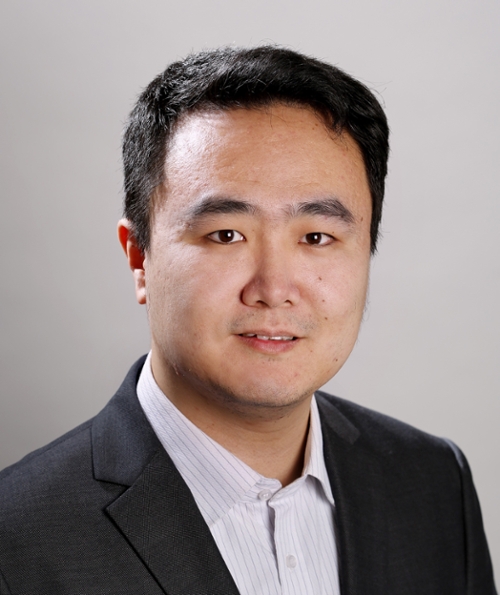
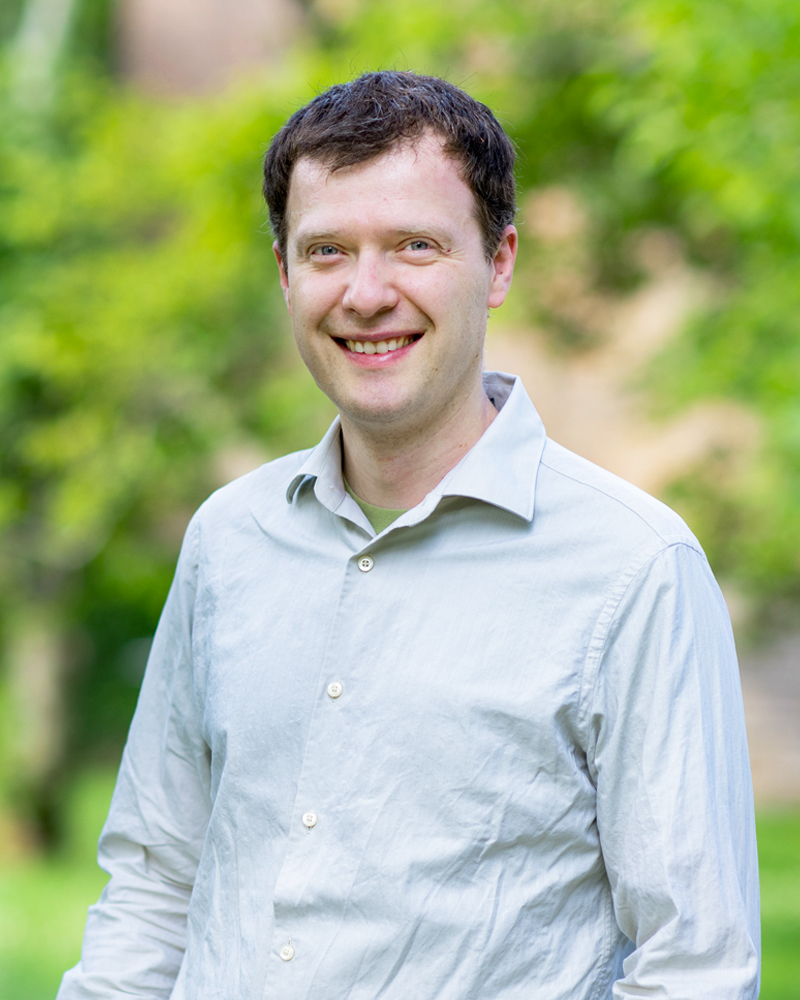
Barry P. Rand is Professor of Electrical and Computer Engineering and the Andlinger Center for Energy and the Environment at Princeton University, with additional affiliations at the Princeton Materials Institute (PMI) and High Meadows Environmental Institute (HMEI). His research program focuses on advancing thin-film electronic materials for energy conversion and optoelectronic applications, bridging electrical engineering, materials science, physics, and chemistry.
His educational background includes a PhD in Electrical Engineering from Princeton University (2007) and a Bachelor of Engineering in Electrical Engineering from The Cooper Union (2001). This foundation supports his interdisciplinary approach to semiconductor research.
Rand's work centers on emerging thin-film semiconductors—particularly organic, oxide, and metal-halide perovskites—for solar cells, LEDs, and transistors. He investigates fundamental optical/electrical properties, material processing techniques (both vacuum and solution-phase), and critical device stability challenges. His research emphasizes understanding degradation mechanisms while developing novel device architectures to improve efficiency and longevity in real-world conditions.
Analysis of his recent publications reveals dominant themes in perovskite optoelectronics, with concentrated efforts on stability enhancement through interface engineering, halide chemistry control, and novel transport layers. Significant growth appears in machine learning applications for materials discovery (e.g., LLM-Prop) and expansion into neuromorphic photonics and terahertz modulation, indicating strategic diversification while maintaining core expertise in energy devices.
His scientific recognition includes:
- Gordon and Betty Moore Foundation Experimental Physics Investigators Initiative award (2023)
- ONR Young Investigator Program Award (2016)
- DARPA Young Faculty Award (2015)
- DuPont Young Professor Award (2015)
- 3M Nontenured Faculty Award (2014)
As Director of Graduate Studies and active mentor, Rand supervises a diverse cohort of graduate researchers across thin-film electronics topics. His lab operations are supported by substantial research funding from federal agencies (ONR, DARPA) and industry partnerships, enabling state-of-the-art thin-film fabrication and characterization facilities.
The RandLab, established in 2013, serves as the operational hub for his research group, focusing on translating fundamental semiconductor discoveries into next-generation electronic and optoelectronic devices for computing, sensing, and renewable energy applications.