معرفی
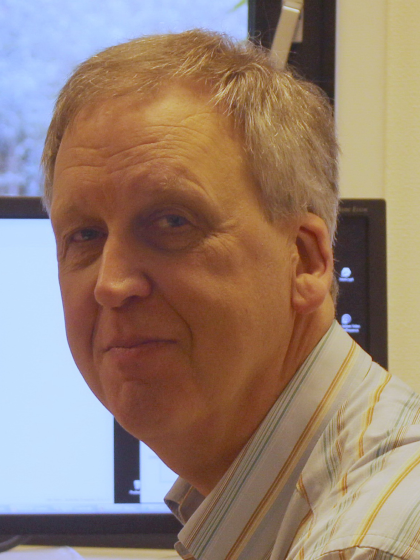
Barbro Melgert serves as Professor at the University of Groningen with dual appointments in the Faculty of Medical Sciences and Faculty of Science and Engineering. She maintains active affiliations with the Molecular Pharmacology department, Biopharmaceuticals Discovery Design and Delivery (BDDD) group, and Groningen Research Institute for Asthma and COPD (GRIAC), operating from A Deusinglaan 1 in Groningen.
Her research centers on asthma pathogenesis, pulmonary fibrosis mechanisms, and macrophage-mediated lung inflammation, with growing focus on microplastics' respiratory impacts. She pioneers advanced models including precision-cut lung slices, transgenic mouse systems, and airway organoids to investigate extracellular matrix dynamics, neuroimmune interactions, and environmental toxin effects in chronic respiratory diseases.
Recent publications reveal strong translational trends spanning respiratory virus infection modeling, fibrosis therapeutics, and neuroplasticity in fatal asthma. Her work consistently bridges basic immunology with clinical applications, particularly in vaccine development (INNO4VAC project) and environmental health risk assessment.
Professor Melgert has received 17 major scientific awards, including:
- Microplastics macroproblem: Serious gaming to increase awareness of inhalable microplastics (2022)
- MOMENTUM research initiative (2022)
- Osteocytokine RANKL signaling breakthrough (2022)
- INNO4VAC human vaccine modeling project (2021)
- Microplastics and Human Health Consortium leadership (2020)
She has supervised 15 graduate students while directing funded projects like the EU-backed INNO4VAC consortium and MOMENTUM microplastics initiative. Her 72 media engagements—including recent features on microplastics in human brains (February 2025)—demonstrate significant public impact beyond academia.
Based at GRIAC, she leads collaborative teams across UMCG and international networks, currently investigating macrophage-fibroblast crosstalk in fibrosis and neuroimmune pathways in severe asthma using cutting-edge spatial transcriptomics and proteomic approaches.