معرفی
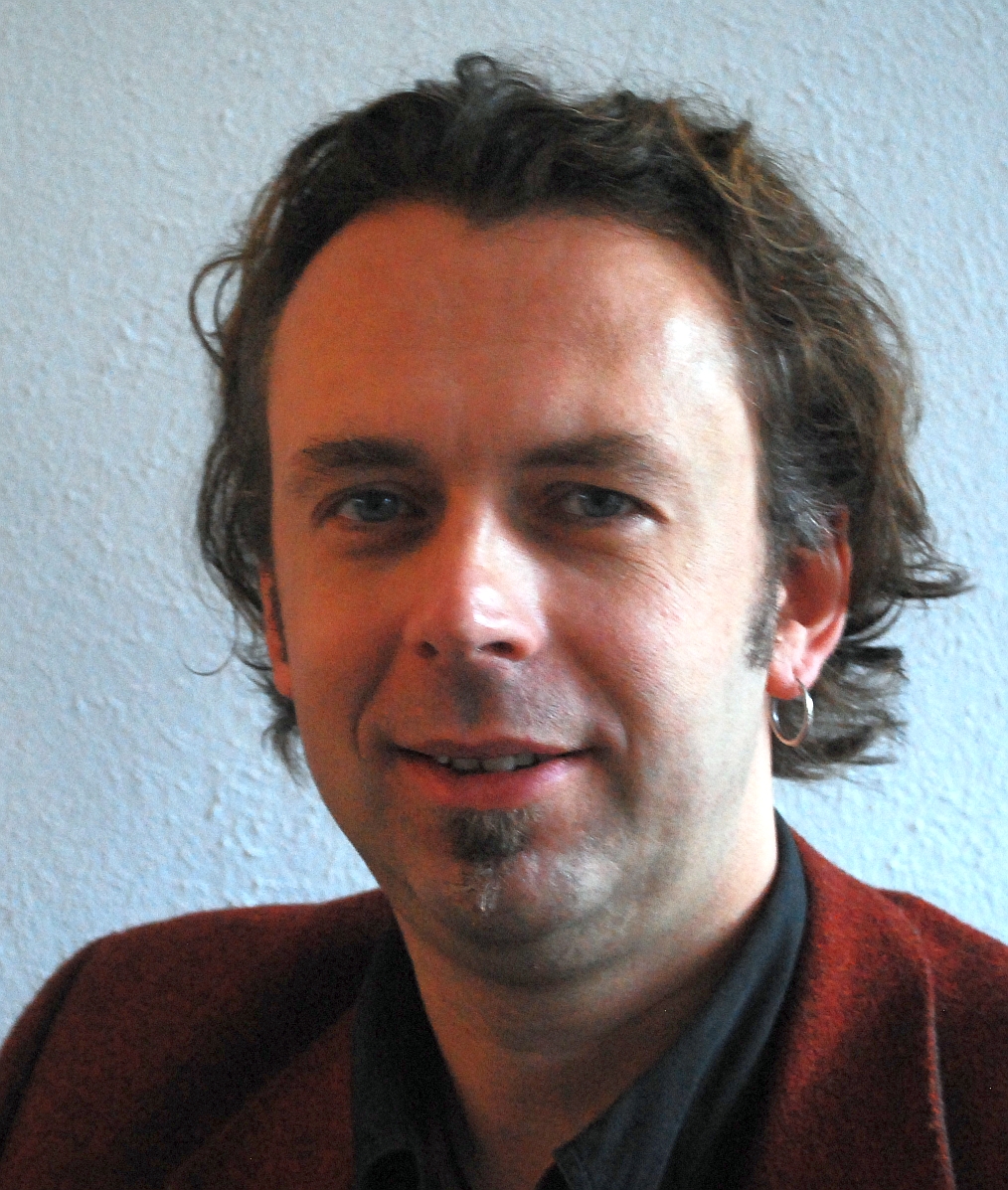
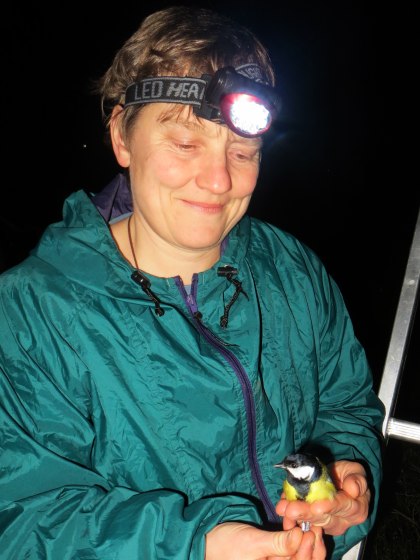
Barbara Helm is an Associate Professor for Biological Rhythms of Natural Organisms at the Groningen Institute for Evolutionary Life Sciences (GELIFES), part of the Faculty of Science and Engineering at the University of Groningen. She also holds a Visiting Professor position at the University of Glasgow’s Institute of Biodiversity, Animal Health and Comparative Medicine. Her research focuses on chronobiology, circannual rhythms, migration patterns in wild organisms, and the ecological and evolutionary implications of timing mechanisms. She has conducted seminal studies on avian migration, light pollution impacts, and seasonal biology, with a strong emphasis on field-based and integrative approaches.
Her expertise includes chronobiology, environmental physiology, and ornithology, with a particular interest in how internal biological clocks interact with external environmental cues. Recent work examines how artificial light at night disrupts circadian rhythms in birds, affecting behaviors like incubation and migration timing. She has secured grants, including a €1.5M subsidy for darkness conservation in the Wadden region, and collaborates internationally on projects like tracking the Siberian Rubythroat’s migration over the Qinghai-Tibet Plateau.
Barbara Helm’s research integrates molecular, behavioral, and ecological data, as seen in studies linking clock genes to migratory timing in raptors. Her contributions have been highlighted in media, including discussions on avian migration debunking social interpretations of Perdeck’s classic experiments. She advises on conservation efforts through initiatives like nest box projects with the Vogelwacht Uffelte, emphasizing practical applications of her fundamental research findings.
Her lab at GELIFES focuses on understanding how organisms adapt their timing systems to environmental challenges, with a focus on wild populations. Key themes include circadian disruption, seasonal biology, and the evolutionary basis of timing mechanisms in animals.