معرفی
Athanasios Mailis serves as Assistant Professor of Byzantine Archaeology at the Department of History and Archaeology, Faculty of Philosophy, University of Crete. His scholarly work bridges archaeological fieldwork with theoretical analysis of cultural identity, focusing on religious architecture in the medieval Mediterranean.
Dr. Mailis's educational background includes:
- Birth in Athens (1975)
- Graduation from University of Crete's Department of History and Archaeology (1998)
- Postgraduate studies at University of Crete
- Doctoral thesis at University of Göttingen (2005-2010)
His research explores Byzantine architecture, medieval urban planning, iconography, and intercultural relations between Byzantium and Western Europe, with special emphasis on Crete during the Venetian period. Mailis examines how architectural elements like templon barriers evolved into iconostases, revealing how material culture expressed religious identity during cultural transitions. His work demonstrates how Orthodox communities used architectural features as 'material proof of cultural identity' during Venetian rule, showing both archaism and modernization in religious spaces.
Dr. Mailis's publications reveal consistent methodological approaches combining archaeological evidence with art historical analysis. His research traces the evolution of religious spaces from the 11th to 16th centuries, documenting how physical transformations in church architecture reflected broader social and religious changes. He particularly focuses on transitional spaces like templon barriers, analyzing how their modification served as tangible expressions of religious identity during periods of political change.
His scholarly recognition includes:
- Stanley J. Seeger Fellowship at Princeton University
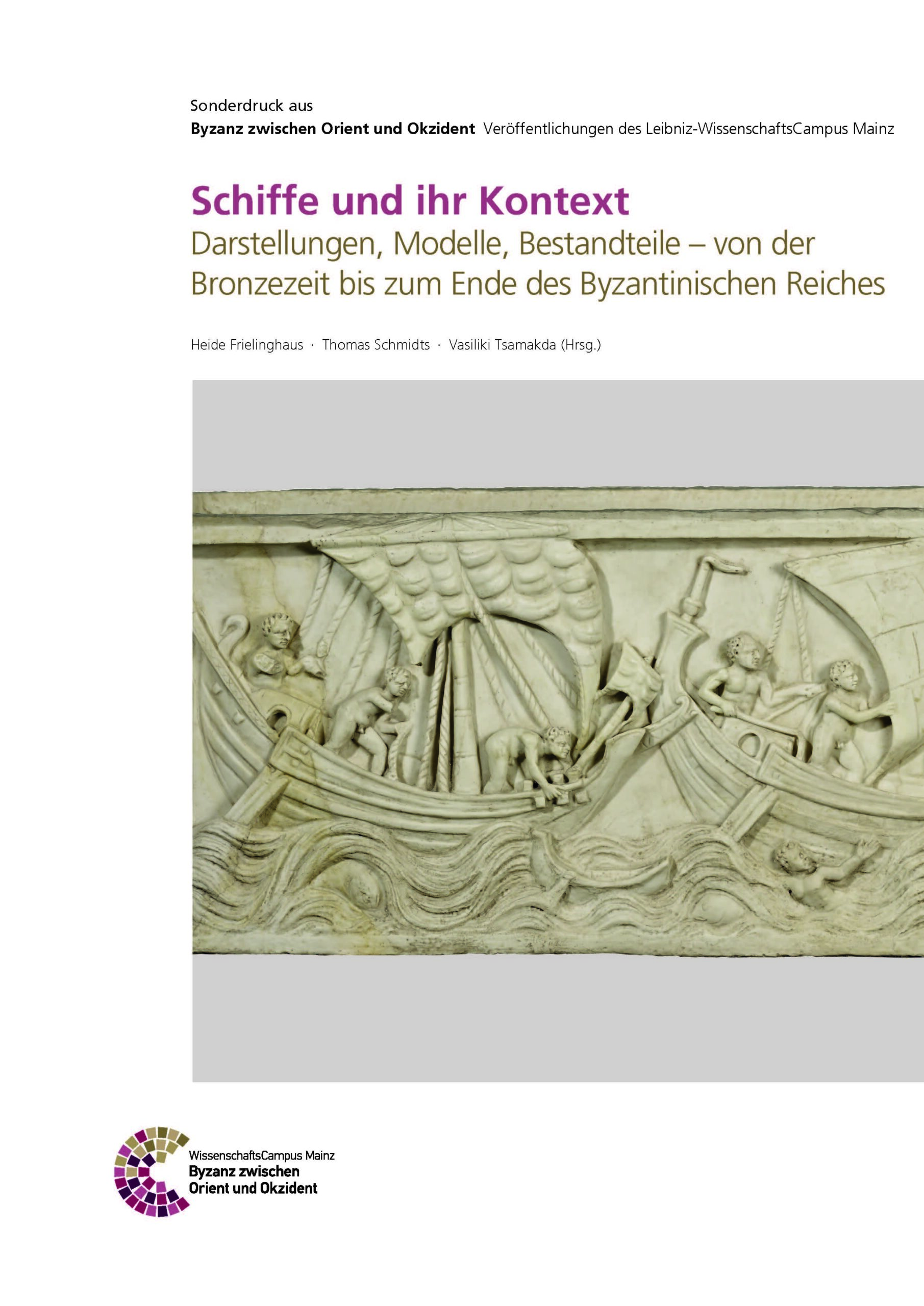
- Wolfgang Fritz Volbach Fellowship at WissenschaftsCampus Mainz
Dr. Mailis maintains a dual professional trajectory, having served in the Greek Archaeological Service from 2006 to 2022 while simultaneously pursuing academic work. During his tenure at the Archaeological Service, he conducted numerous excavations and restoration projects at Byzantine sites, working initially as an antiquities curator at the 24th Ephorate of Byzantine Antiquities in Lamia, and later as head of the Byzantine Monuments Department at the 28th Ephorate in Chania. Concurrently, he taught Byzantine Archaeology at the University of Crete during multiple academic years.
His research connects with multiple international teams, particularly through his affiliation with the Leibniz-Zentrum für Archäologie in Mainz as an Associate Member. This position facilitates collaboration between Greek archaeological work and broader European research networks focused on early medieval and Byzantine archaeology. His fieldwork in Crete has involved close cooperation with local Ephorates of Antiquities, creating productive bridges between academic research and cultural heritage management.