معرفی
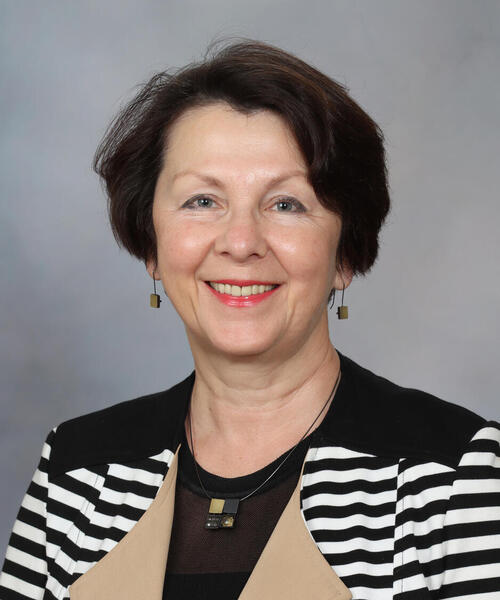
Arubala Reddy, Ph.D., serves as an Assistant Professor in the College of Human Sciences at Texas Tech University, where she conducts pioneering research at the intersection of neuroscience and neurodegenerative disorders. Her work is closely affiliated with the Institute for One Health Innovation, reflecting her commitment to interdisciplinary approaches addressing human, animal, and environmental health connections.
Dr. Reddy's research program centers on Alzheimer's disease pathogenesis, with particular emphasis on mitochondrial dysfunction, synaptic toxicities, and mitophagy impairment. She investigates therapeutic strategies including small molecule inhibitors (DDQ), antidepressants (citalopram), and lifestyle interventions (diet/exercise) to counteract amyloid beta and tau-induced damage. Her work extends to comorbidities like diabetes and obesity, examining their mechanistic links to neurodegeneration through hormonal imbalances and neurosteroid variations.
Analysis of her recent publications (2023-2025) reveals dominant themes in mitochondrial health restoration, synaptic protection, and therapeutic development for Alzheimer's disease. Notable trends include exploration of Drp1-amyloid beta interactions, gender-specific neurosteroid effects, and methodological innovations in cell culture research. Her work increasingly addresses pandemic-related neurological consequences, particularly long-term cognitive impacts of COVID-19 in diabetic populations.
As an active member of the Institute for One Health Innovation, Dr. Reddy contributes to cross-disciplinary initiatives that integrate neurological research with broader health determinants. Her laboratory employs advanced techniques including humanized amyloid-beta-knock-in mouse models, single-cell RNA sequencing of postmortem brain tissue, and mitochondrial functional assays to unravel complex disease mechanisms.