معرفی
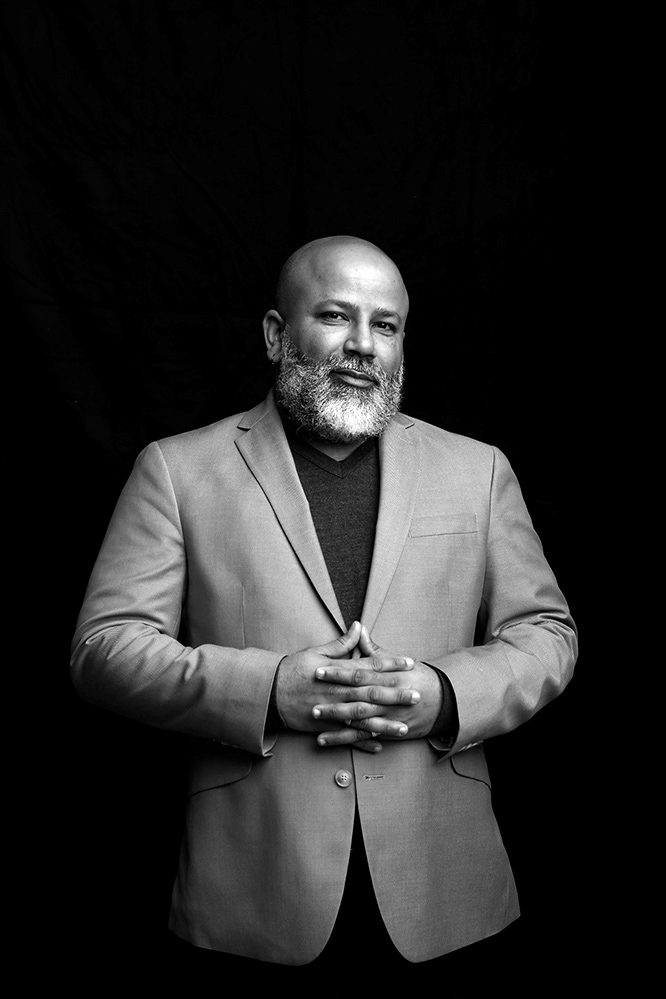
Anthony Ryan Hatch serves as Director of the Center for the Humanities and Professor of Science and Technology Studies and African American Studies at Wesleyan University, with additional affiliations in the Bailey College of the Environment and Sociology Department. His scholarly work critically examines intersections of science, technology, health, and racial inequality through interdisciplinary frameworks.
His educational background includes an A.B. in Philosophy from Dartmouth College and M.A./Ph.D. in Sociology from the University of Maryland. Key professional milestones feature pre- and post-doctoral fellowships from the American Sociological Association and National Institute of Mental Health.
Dr. Hatch's research centers on racial pharmacology, food justice, and carceral systems, employing Science and Technology Studies and critical race theory to analyze how biomedical technologies perpetuate health disparities. His scholarship reveals consistent themes of resistance within oppressive systems, from prison food regimes to algorithmic healthcare.
His publication trajectory demonstrates increasing engagement with biohumanities and antiracist critique, moving from analyses of metabolic syndrome to foundational work on racial pharmacology and contemporary examinations of AI in healthcare. The body of work consistently centers Black experiences while challenging scientific objectivity.
Major recognitions include:
- Robin W. Williams Distinguished Lectureship Award (2022)
- William Allan Neilson Chair of Research at Smith College (2023)
- Minority Fellowship Program fellowship (2004-2007)
- National Institute of Mental Health post-doctoral fellowship (2009-2011)
Research funding from NIH, NSF, Wellcome Trust, and ASA supports his work on health equity and racial justice. He holds influential advisory positions including the NSF Committee on Equal Opportunities, National Academy of Medicine, and Greenwall Foundation. As founder of Black Box Labs, he mentors undergraduates in STS methods while advising campus initiatives like Espwesso Cafe and the Administrators and Faculty of Color Alliance. His collaborative networks span the Sydney Center for Healthy Societies, King's College London's Health and Social Equity Collective, and Rutgers University's Racial Democracy Network.
Current leadership roles include Hastings Center fellowship and editorial board service for Science, Technology, and Human Values. His institutional impact extends through Wesleyan's Sustainability & Environmental Justice Initiative and Center for Prison Education, demonstrating commitment to translating scholarship into structural change.