معرفی
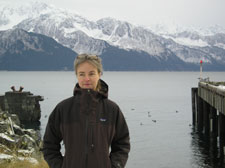
Kent A. Hatch is a Professor in the Department of Biology within the College of Liberal Arts and Sciences at Long Island University (LIU). He joined LIU in 2008 after serving as an Assistant Professor at Brigham Young University. His research is supported by an NSF grant and collaborations with NOAA, US Fish and Wildlife Service, and Boston University.
- B.S. in Zoology, Brigham Young University
- M.S. and Ph.D., University of Wisconsin–Madison
- Postdoctoral Fellow, Ben-Gurion University of the Negev (Fulbright)
- Postdoctoral Fellow, University of Nevada, Reno
Dr. Hatch is a broadly trained biologist with core expertise in physiological ecology and stable isotope analysis. His lab investigates animal physiology, population ecology, and wildlife disease exposure, particularly in species such as black bears, spotted frogs, lizards, and seabirds. A major focus is on marine invertebrate microbiomes, including microbiome assembly and environmental influences through NSF-funded research. His work combines field ecology, physiological experiments, and advanced analytical techniques.
The publications co-authored by Dr. Hatch span disciplines including mass spectrometry, conservation biology, comparative physiology, and molecular diagnostics. These reflect a strong interdisciplinary approach integrating ecological fieldwork with biochemical and molecular tools. His research often centers on energetics, trophic interactions, and environmental adaptation, using stable isotopes and microbiome analysis as key methodologies.
Dr. Hatch’s scientific recognition includes being a Fulbright Postdoctoral Fellow. His collaborative research has been published in high-impact journals such as:
- Rapid Communications in Mass Spectrometry
- Biological Conservation
- Oecologia
- Journal of Comparative Physiology B
- Integrative and Comparative Biology
- Expert Review of Molecular Diagnostics
Dr. Hatch actively mentors students in diverse research projects involving black bear hibernation, disease exposure, seabird migration, and microbiome studies. He has secured external funding, including an NSF grant for marine invertebrate microbiome research. His lab conducts reciprocal transport experiments and field monitoring around Long Island. He teaches core and advanced biology courses such as Marine Biology, Comparative Physiology, Ecology, and Research Methods, and has developed special topics courses in Physiological Ecology and Desert Bat Ecology.
His lab operates at the intersection of field ecology and molecular analysis, using settlement plates and stable isotope techniques to study environmental impacts on marine invertebrates. Collaborative projects with federal agencies enhance the applied conservation value of his work. The lab supports student training in experimental design, data analysis, and scientific communication.