معرفی
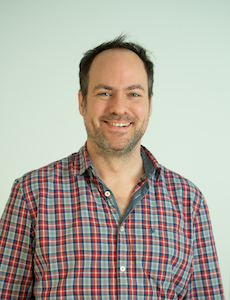
Anita Öst is a Professor and Head of Division at Linköping University's Department of Biomedical and Clinical Sciences within the Faculty of Medicine and Health Sciences. She leads The Division of Cell and Neurobiology (CNB), where her research bridges molecular biology, epigenetics, and metabolic disease. Her work has significant implications for understanding how parental lifestyle factors influence offspring health.
Dr. Öst's research focuses on epigenetic mechanisms of metabolic disease inheritance, particularly how paternal diet affects sperm composition and subsequent embryo development. Her groundbreaking work has demonstrated that human sperm rapidly responds to dietary changes, especially sugar intake, with alterations in mitochondrial metabolism and small RNA profiles. She investigates how these sperm modifications may program offspring for obesity and type 2 diabetes, drawing connections to historical observations like the Dutch Hunger Winter effects.
Her publication record shows a clear progression from studying adipocyte insulin resistance in type 2 diabetes patients during her PhD to her current focus on intergenerational epigenetic transmission. Recent work emphasizes small RNA in sperm as key mediators of paternal effects on offspring metabolism, with applications in understanding obesity and metabolic disorders across generations.
- Wallenberg Academy Fellow
- Rosalind Franklin Society Award (2023)
- Recipient of funding from Swedish Research Council (SEK 49 million for collaborative projects)
Professor Öst mentors several PhD students and collaborates with researchers across disciplines. Her lab has secured significant research funding, including from the Swedish Research Council, to investigate epigenetic inheritance mechanisms. Current projects examine diet-driven sperm modifications across species, small RNA roles in male fertility, and how sperm RNA influences embryonic development.
Her research group operates within The Division of Cell and Neurobiology, utilizing fruit fly models alongside human studies to unravel the molecular basis of metabolic disease inheritance. The team combines molecular biology, bioinformatics, and clinical approaches to investigate how parental lifestyle choices create metabolic 'memories' that affect future generations.