معرفی
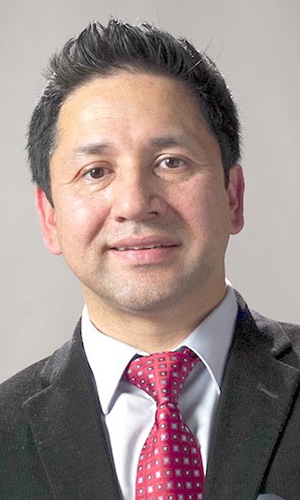
Andrey Höglund is a Researcher at Stockholm University's Department of Environmental Science, where he conducts cutting-edge research on epigenetic mechanisms and environmental toxicology. His work focuses on understanding how environmental pollutants affect biological systems at the molecular level, with particular emphasis on DNA methylation patterns and endocrine disruption.
Dr. Höglund holds a PhD in Genetics, which forms the foundation of his interdisciplinary research approach bridging environmental science, molecular biology, and genetics.
His primary research interests center on transcriptional mechanisms and epigenetic landscapes that facilitate biological responses to adverse environmental exposures. Specifically, he investigates how environmental pollutants like PFOS and DBP alter DNA methylation patterns and disrupt endocrine function. His work spans multiple model systems including human cell lines, chicken genomics, and ecotoxicological testing with Daphnia magna, demonstrating a comprehensive approach to understanding environmental health impacts across different biological scales.
Analysis of Dr. Höglund's recent publications reveals a strong focus on environmental epigenetics and toxicology. His research consistently examines how environmental pollutants trigger molecular changes that can lead to adverse health outcomes. A notable trend is his application of advanced genomic and epigenomic techniques to study dose-response relationships at environmentally relevant concentrations, challenging traditional toxicological paradigms. His work bridges fundamental molecular mechanisms with practical environmental health concerns.
While specific details about his advising activities and research grants are not provided in the available information, his collaborative publication record suggests active participation in research teams and likely mentorship of students and junior researchers in the field of environmental epigenetics.
Dr. Höglund appears to be part of research teams working at the intersection of environmental science and molecular biology at Stockholm University, with particular focus on epigenetic mechanisms of environmental response. His work with advanced intercross lines in chicken and cell-based toxicology models indicates involvement in specialized laboratories equipped for genomic, epigenomic, and toxicological analyses.