معرفی
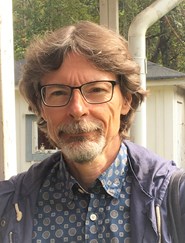
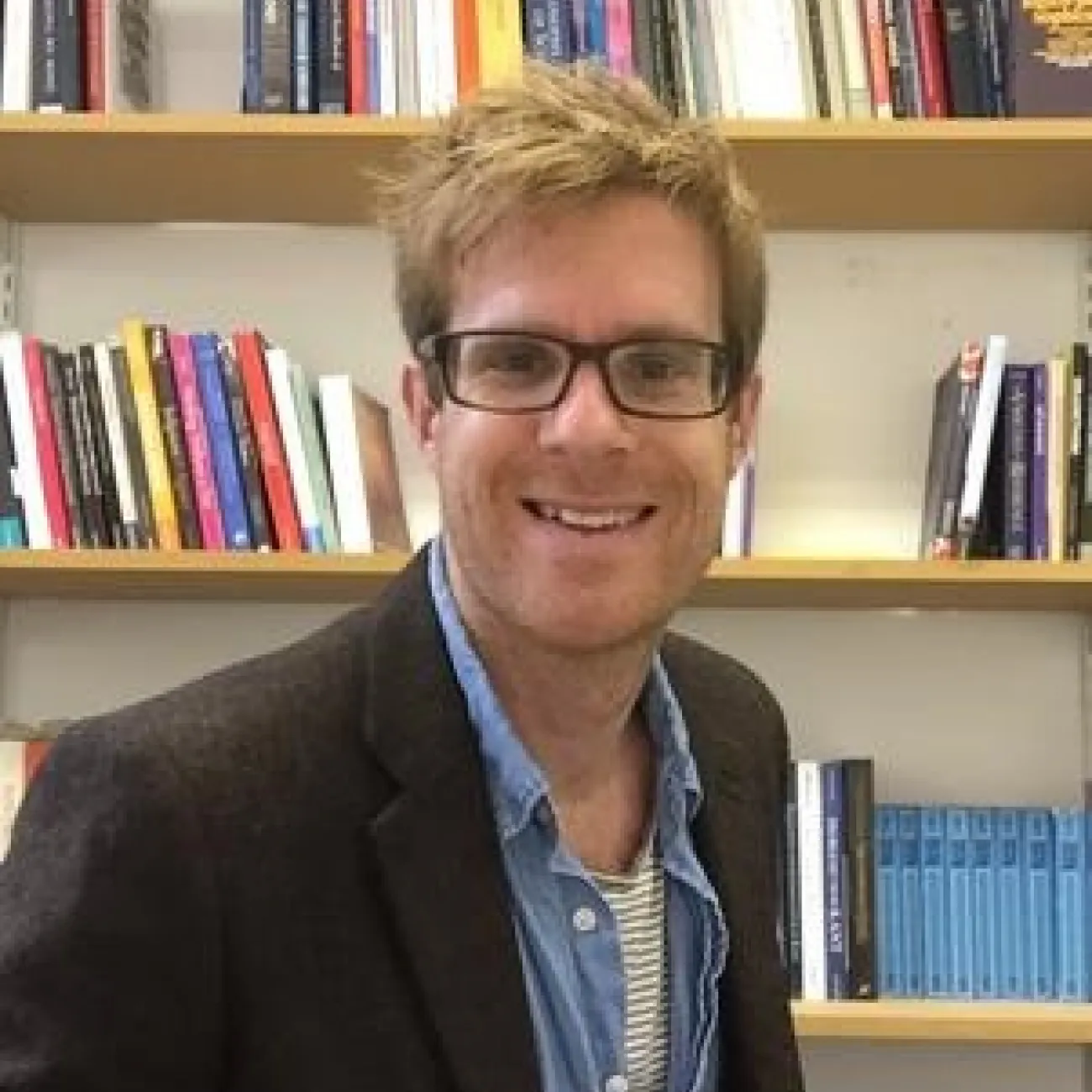
Andrew Stephenson is a Lecturer in the Department of Philosophy at the Faculty of Arts and Humanities, University of Southampton. His research lies at the intersection of Kantian philosophy and contemporary debates in philosophy of mind, epistemology, metaphysics, and logic, with growing relevance to artificial intelligence and machine learning. He actively supervises PhD students and teaches courses on Kant and Islamic Philosophy.
Research Interests:
- Kant and Contemporary Kantian Philosophy
- Philosophy of Mind: mental activity, representation, imagination
- Epistemology: a priori knowledge, knowability, anti-realism
- Metaphysics: modality, existence, transcendental idealism
- Logic and its application to Kantian rules and ethics
His recent publications (2017–2024) reflect a sustained engagement with Kant’s theoretical philosophy, especially the Critique of Pure Reason, while connecting it to modern logical frameworks and epistemological puzzles such as the knowability paradox. Themes of necessity, modality, conceptual structure, and mental representation recur across his work, demonstrating a unified vision linking transcendental epistemology with contemporary analytic philosophy.
Scientific Awards and Recognition:
- North American Kant Society Wilfrid Sellars Prize (2020)
- Humboldt Research Fellowship for Experienced Researchers (2020)
- Most Engaging Lecturer (2020)
- Visiting Fellowship at the Human Abilities KFG, Berlin (2020)
Andrew Stephenson has supervised doctoral research, including current PhD student Alexander Julin Mortensen. He has secured competitive fellowships and research opportunities, including visiting positions in Berlin and Leipzig. He has also been an active speaker at academic events on topics such as imagination, hallucination, and Kant’s logic.
Laboratories, Research Groups, and Affiliations:
While not affiliated with a formal lab, Stephenson is associated with research networks in analytic German idealism, including the Research Centre for Analytic German Idealism in Leipzig and the Human Abilities Centre for Advanced Studies in the Humanities in Berlin, where he has held visiting fellowships. His work bridges historical and systematic philosophy through rigorous analytical methods.