معرفی
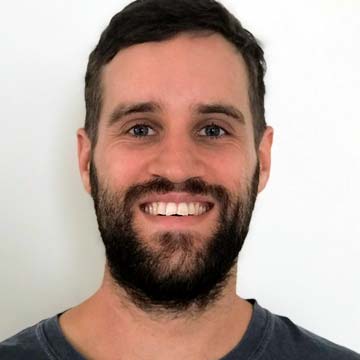
Andrew Hearn is a Lecturer in the Department of Sport at Hartpury University, specializing in Strength and Conditioning and Sport and Exercise Science. He teaches across core modules including Principles and Fundamentals of Strength and Conditioning, Recovery and Monitoring (as Module Leader), and serves as an Academic Personal Tutor. His role integrates applied experience from professional sports with academic instruction.
Education:
- PhD in Sports Science (in progress), University of the West of England (UWE), 2020–2027
- PGCert in Research Methods, Hartpury University, 2021–2023
- BSc (Hons) in Strength and Conditioning, Hartpury University, 2016–2020
His research focuses on female athlete health, fatigue monitoring, GPS tracking, and recovery strategies, particularly in female football. He investigates acute and transient fatigue, high-intensity phase demands, and load quantification using GPS and performance metrics. His work bridges sport science theory with practical application in elite environments.
The recent publications highlight a strong trend in monitoring physical demands and fatigue in female footballers, using GPS data, countermovement jumps, and high-intensity phase simulations. His research also explores aging and muscle damage, contributing to broader understanding of recovery across populations. Topics include meta-analyses on aging, deceleration monitoring, and internship development in strength and conditioning.
Scientific Awards:
- Best Staff Poster Presentation, 10 Jul 2025
Andrew supervises MRes students including Liam Moore and Aaron Clarke, and contributes to research projects on aging, recovery, and internship development. He is involved in grant-funded research and academic committees, including the Hartpury Research and Knowledge Exchange Conference 2024. His professional memberships include Advance HE and UKSCA.
He is active in academic and public engagement, delivering invited talks, participating in conferences, and contributing to media coverage on topics such as muscle soreness in older adults and recovery in athletes.