معرفی
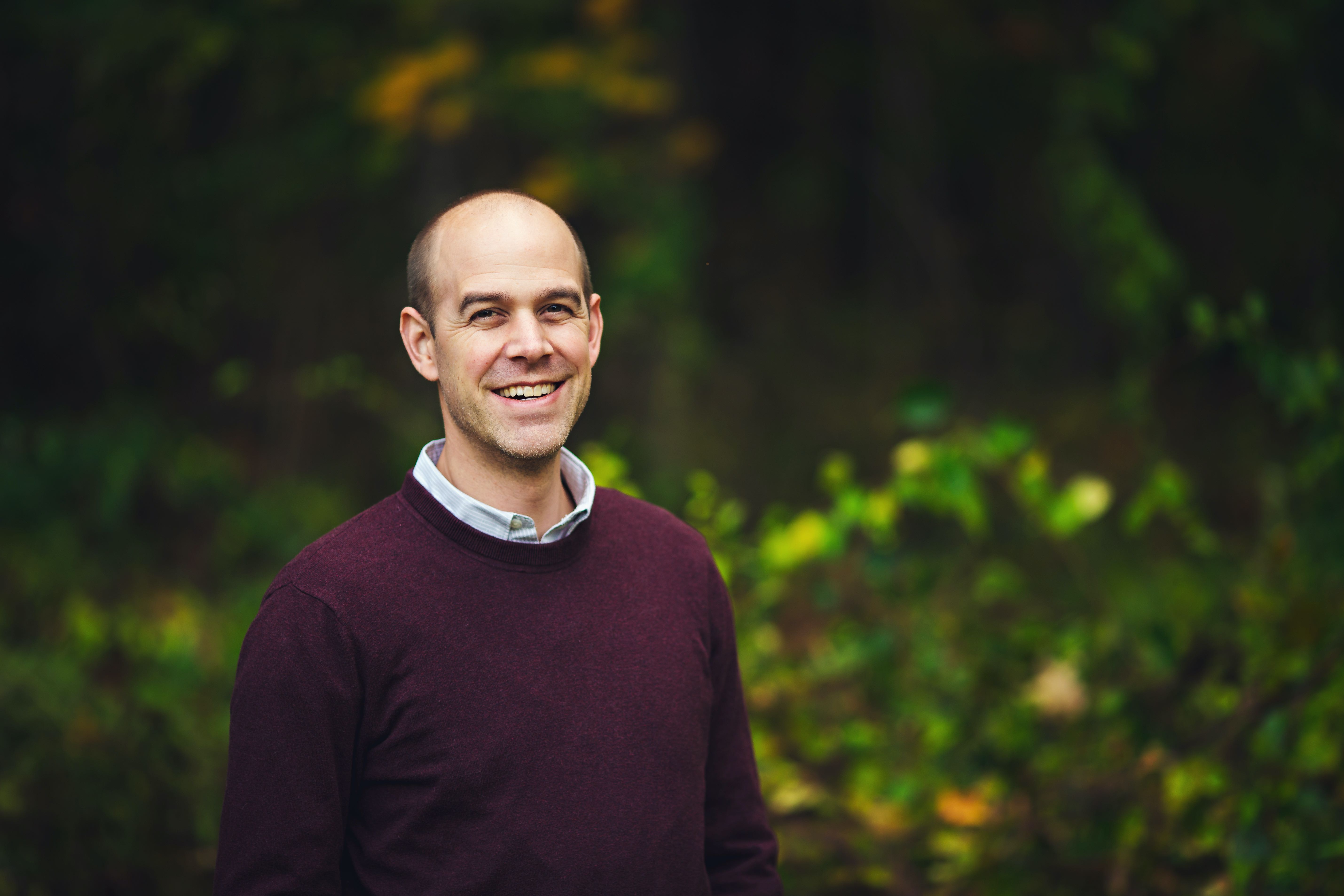
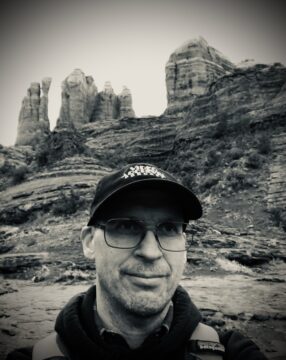
Andrew Hageman is an Associate Professor of English and Director of the Center for Ethics and Public Engagement at Luther College. He holds a Ph.D. in English with a Designated Emphasis in Critical Theory from the University of California, Davis, an M.A. from Western Washington University, and a B.A. from St. Olaf College. His research focuses on intersections of ideology, ecology, and technology, with recent work published in journals like Extrapolation and Los Angeles Review of Books. He teaches courses in American literature, eco-media, speculative fiction, and Paideia ethics programs. Notable projects include co-editing the Paradoxa issue on 'Global Weirding' and leading student research on topics like Theodore Sturgeon’s correspondence and science fiction infrastructure narratives. His work frequently involves collaborations with students and explores themes such as climate change representation, speculative futures, and infrastructure in literature.
- Education:
- Ph.D., English with Critical Theory, UC Davis (2005-2011)
- M.A., English, Western Washington University (2003-2005)
- B.A., English, St. Olaf College (1992-1996), Phi Beta Kappa
- Research Interests:
- Techno-cultural history
- Literature and ecology
- Science fiction film and media
- Speculative fiction infrastructure studies
His teaching spans courses like Eco-Media, Literature and Ecology, and Paideia Ethics Capstone. Recent research includes fieldwork in Norway examining ethical futures through design and narrative. He actively mentors students in archival projects and interdisciplinary collaborations.
Publications highlight analysis of films like Mulholland Drive and novels like The Windup Girl, alongside interviews with prominent authors. His presentations have addressed conferences such as ASLE, SLSA, and WorldCon, focusing on topics like climate fiction, infrastructure in SF, and posthumanism.
As director of Luther’s Center for Ethics and Public Engagement, he fosters civic engagement and ethical discourse. Collaborative research projects with students have explored science fiction archives, eco-cultural narratives, and speculative futures.